
 By
By 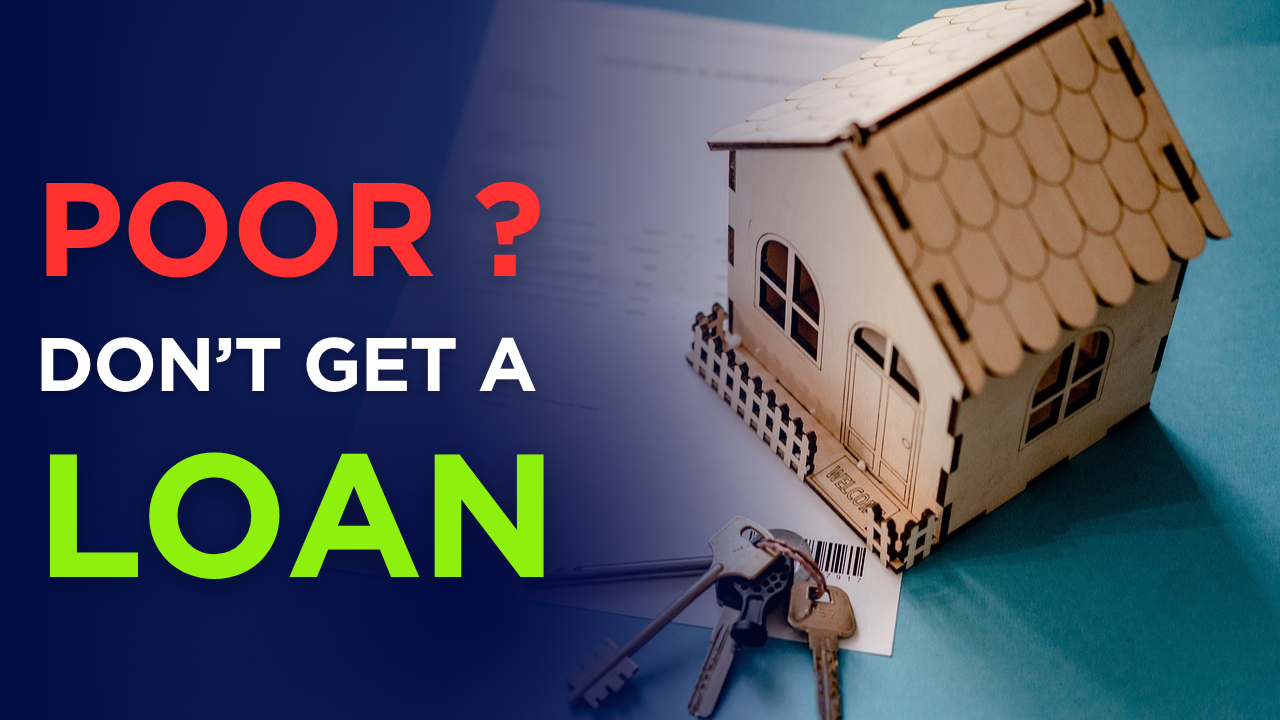
For individuals grappling with financial hardship, the allure of a loan can be incredibly powerful. When facing an unexpected expense, a dire need, or simply the desire to bridge a seemingly insurmountable gap, a lump sum of borrowed money can appear as a beacon of hope. However, for those living in poverty or with very limited financial resources, taking on a loan often transforms from a temporary solution into a relentless financial burden, ultimately exacerbating their already precarious situation. This article will delve into the multifaceted reasons why acquiring a loan when you’re poor is a decision fraught with peril, often leading to a downward spiral of debt, stress, and diminished opportunities.
The fundamental premise of a loan is that the borrower will repay the principal amount plus interest. This simple concept, however, becomes incredibly complex and often unsustainable when the borrower’s income is low and their expenses already consume the vast majority, if not all, of their earnings.
The Inescapable Web of High Interest Rates
One of the most significant and immediate dangers for low-income borrowers lies in the exorbitant interest rates often attached to loans accessible to them. Traditional banks, wary of the higher risk associated with borrowers who have limited assets or unstable income, may deny applications outright. This forces individuals to turn to alternative lenders, such as payday loan providers, title loan companies, or subprime lenders, who operate with far less stringent regulations and demand astronomical interest rates.
Consider a payday loan, a common recourse for those needing quick cash. While seemingly convenient, these loans often carry Annual Percentage Rates (APRs) that can soar into the triple digits, sometimes exceeding 400%. What might seem like a small loan of a few hundred dollars can quickly balloon into an unmanageable sum due to these punishing interest charges. For someone living paycheck to paycheck, the added burden of an interest payment that can equal or even surpass their original borrowed amount within a short period creates an vicious cycle of debt. They borrow to cover an immediate need, only to find themselves needing to borrow again, often from another high-interest lender, just to pay off the first loan.
The Illusion of a Quick Fix: Addressing Symptoms, Not Causes
A loan, in most instances, is a temporary fix. It addresses a symptom of financial distress – the lack of immediate funds – rather than the underlying causes of poverty or financial instability. Whether it’s an unexpected medical bill, a car repair essential for getting to work, or simply putting food on the table, a loan might provide immediate relief. However, it does not address the fundamental lack of emergency savings, insufficient income, or poor financial planning that led to the crisis in the first place.
Without addressing these root causes, the borrower is almost guaranteed to face similar financial shortfalls in the future. Each subsequent loan taken to cover new expenses or to service existing debt only deepens the hole. The cycle perpetuates itself, transforming a momentary financial blip into a chronic condition of indebtedness. This often leads to increased stress, anxiety, and a feeling of being trapped with no apparent escape route.
The Erosion of Financial Stability and Future Opportunities
Taking on debt, especially high-interest debt, when financially vulnerable can have long-lasting and detrimental effects on an individual’s financial stability and future opportunities.
Firstly, it significantly reduces disposable income. Every dollar allocated to loan repayments is a dollar that cannot be used for essential needs, savings, or investments in one’s future. This means less money for healthy food, education, job training, or even simple leisure activities that contribute to well-being. This constant financial strain can lead to poor health outcomes, limited career advancement opportunities, and a diminished quality of life.
Secondly, falling behind on loan payments can severely damage one’s credit score. A poor credit score acts as a barrier to accessing more affordable credit in the future, such as mortgages, car loans, or even rental agreements. It can also impact employment opportunities, as some employers conduct credit checks. This further entrenches individuals in a cycle where they are only eligible for high-cost financial products, making it even harder to break free from poverty.
Related article : Cryptocurrency: The Digital Revolution Reshaping Finance and Beyond
Thirdly, the pressure of debt can lead to desperate measures. Individuals might resort to selling essential assets, neglecting critical repairs, or foregoing necessary medical treatment to meet repayment deadlines. This not only diminishes their current standard of living but also depletes any existing safety nets they might have, making them even more vulnerable to future shocks.
The Psychological Toll: Stress, Shame, and Despair
Beyond the tangible financial repercussions, the burden of debt when poor exacts a heavy psychological toll. The constant worry about making payments, the fear of default, and the accumulating interest can lead to chronic stress, anxiety, and even depression. The feeling of being perpetually behind, of working tirelessly only to see the money disappear into debt repayments, can be incredibly demoralizing.
There can also be a sense of shame and isolation associated with financial hardship and debt. Individuals may feel too embarrassed to discuss their struggles with friends or family, leading to a lack of support and a feeling of being alone in their battle. This psychological burden can be as debilitating as the financial one, impacting mental health, relationships, and overall well-being.
Exploring Alternatives: A Path Towards True Financial Freedom
Instead of succumbing to the immediate gratification and long-term pain of a high-interest loan, individuals facing financial hardship should explore alternative strategies for managing their finances and building resilience.
- Emergency Savings, However Small: Even saving a few dollars regularly can create a small emergency fund that can prevent the need for a high-interest loan when unexpected expenses arise.
- Budgeting and Financial Literacy: Understanding where money goes and creating a realistic budget are crucial steps. Seeking out free financial literacy resources offered by community organizations or non-profits can provide invaluable skills.
- Negotiating with Creditors: If existing debts are a problem, contacting creditors to negotiate payment plans or discuss hardship options can be more beneficial than taking on a new loan.
- Community Resources and Assistance Programs: Many communities offer assistance programs for food, housing, utilities, and healthcare. Exploring these options can alleviate immediate pressures without incurring debt.
- Increasing Income: While often challenging, exploring opportunities for skill development, part-time work, or side hustles can contribute to a more stable financial footing.
- Debt Counseling: Non-profit credit counseling agencies can provide personalized advice, help create debt management plans, and negotiate with creditors on behalf of the individual.
Conclusion: Averting the Debt Trap
For those with limited financial resources, the decision to take out a loan is a critical one that carries significant risks. While the immediate relief it offers can be tempting, the high interest rates, the perpetuation of underlying financial problems, the erosion of future opportunities, and the immense psychological burden often far outweigh any short-term benefits.
Instead of falling into the perilous embrace of debt, individuals in challenging financial circumstances should prioritize building a foundation of financial literacy, seeking out community support, and exploring sustainable strategies to manage their money. True financial freedom is not found in a quick loan, but in careful planning, responsible decision-making, and a persistent effort to build a more secure and stable future. A loan, when you’re poor, is rarely a solution; it is often just another link in the chain of financial struggle.
Related article : The Indisputable Power of Mindset in Business Evolution