
 By
By 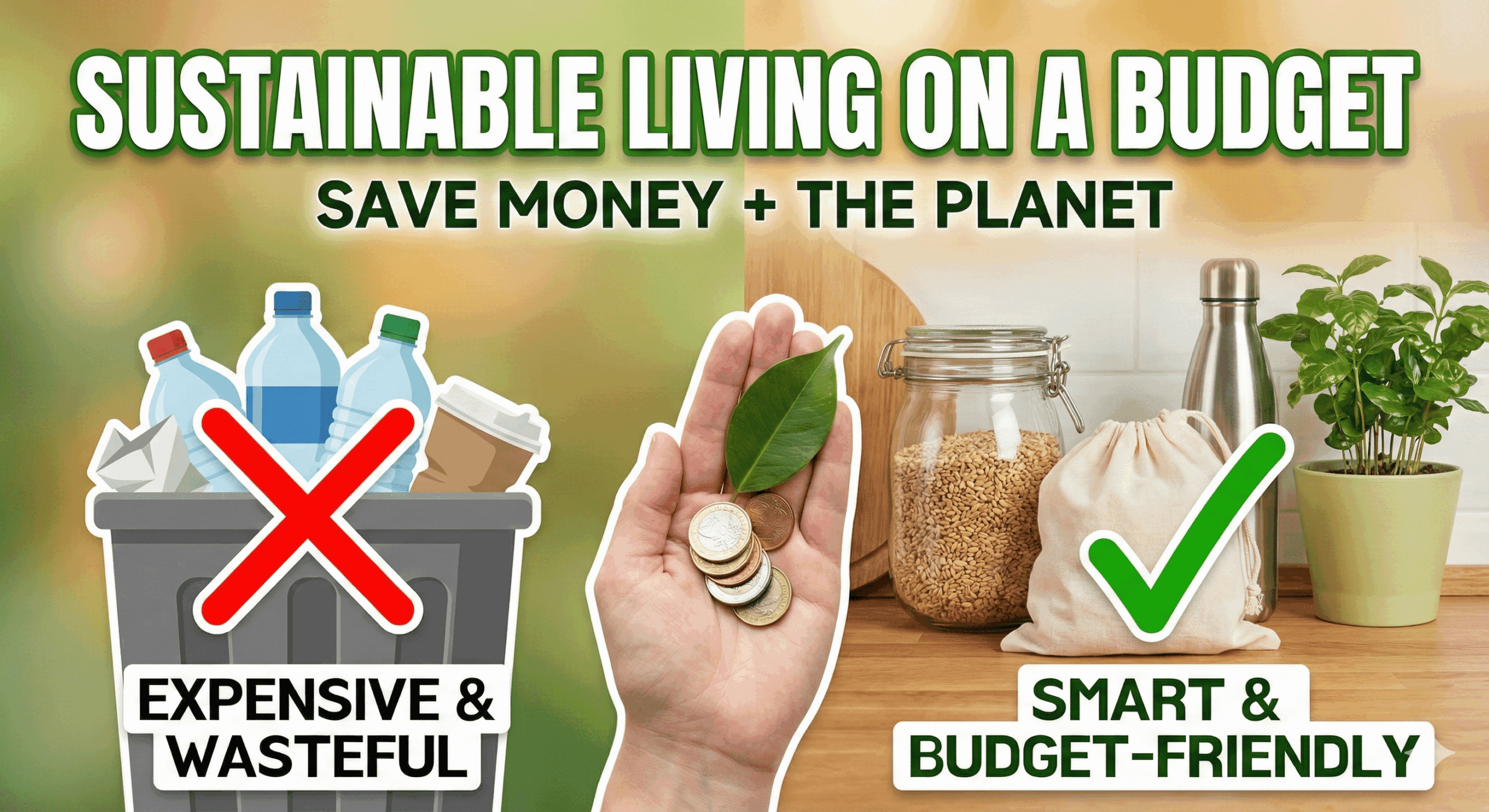
The misconception that living a “green” lifestyle is an expensive luxury reserved for the elite is one of the biggest barriers to environmental progress. We often see high-priced organic produce, designer recycled clothing, and $60,000 electric vehicles as the faces of sustainability. However, at its core, sustainability is about conservation, mindfulness, and reducing waste—all of which are inherently budget-friendly.
In fact, the original environmentalists were often people living through periods of scarcity who repaired what they had, grew their own food, and wasted nothing. By returning to these roots, you can significantly reduce your carbon footprint while simultaneously padding your bank account.
This guide explores how to transition to a sustainable lifestyle on a budget, covering everything from kitchen habits to energy consumption and beyond.
1. The Mindset Shift: Why Less is More
Before buying a single bamboo toothbrush, the most important step in sustainable living is a mental one. Our modern economy is built on linear consumption: take, make, and dispose. Sustainable living requires a circular mindset: reduce, reuse, and repurpose.
Rethinking Value and Consumption
Sustainable living on a budget starts with the “Refuse” and “Reduce” stages of the waste hierarchy. By refusing items you don’t need—such as promotional freebies, excessive packaging, or fast fashion—you eliminate waste before it even enters your home.
The True Cost of “Cheap” Goods
Part of the budget-conscious sustainable mindset is understanding the difference between price and cost. A $5 t-shirt that falls apart after three washes has a higher long-term cost than a $20 high-quality secondhand shirt that lasts for years. Investing in durability is a cornerstone of both financial and environmental health.

2. Reducing Waste in the Kitchen
The kitchen is often the largest source of household waste, both in terms of discarded food and single-use plastics. It is also the place where you can see the fastest return on investment for your sustainable efforts.
Mastering Food Waste Management
Food waste is a massive contributor to methane emissions in landfills. On a personal level, throwing away food is literally throwing away money.
- Meal Planning: Plan your meals based on what you already have. This prevents impulse buys and ensures every ingredient is used.
- The “Eat Me First” Bin: Designate a specific spot in your fridge for items nearing their expiration date.
- Proper Storage: Learn which fruits and vegetables stay fresh longer in water versus dry storage. For example, keeping celery in a jar of water or wrapping greens in a damp cloth can double their lifespan.
Budget-Friendly Sustainable Swaps
Instead of buying expensive “eco” branded products, look for functional alternatives:
- Ditch Paper Towels: Switch to “un-paper” towels made from old t-shirts or cut-up flannel sheets.
- Glass Jar Renaissance: Don’t buy new storage containers. Pasta sauce and jam jars are perfect for leftovers, bulk shopping, and organizing.
- Beeswax Wraps vs. Foil: While beeswax wraps have an upfront cost, they replace hundreds of rolls of plastic wrap over time. You can even make them yourself with scrap fabric and beeswax pellets for a fraction of the retail price.
3. Sustainable Fashion on a Shoestring
The fashion industry is responsible for roughly 10% of global carbon emissions. Living sustainably means breaking the cycle of “fast fashion” without spending thousands on “slow fashion” brands.
The Power of Secondhand
Thrifting is no longer just a budget necessity; it’s a sustainable superpower. Buying used items extends the life of a garment and prevents the massive water and chemical usage required to produce new textiles.
- Online Marketplaces: Platforms like Poshmark, Depop, and eBay allow you to find high-quality brands at a fraction of the cost.
- Clothing Swaps: Organize a “swap party” with friends. It’s a free way to refresh your wardrobe while ensuring your old clothes go to a good home.
Maintenance and Repair
The most sustainable garment is the one already in your closet. Learning basic sewing skills—sewing a button, mending a tear, or darning a sock—can save you hundreds of dollars in replacement costs.
- Proper Laundering: Wash clothes less often, use cold water, and air dry whenever possible. This prevents fiber breakdown and saves energy.
4. Energy Efficiency: Lowering Bills and Emissions
Your home’s energy consumption is a major part of your environmental impact. Luckily, the most effective ways to reduce this impact also result in lower monthly utility bills.
Low-Cost Home Weatherization
You don’t need a full solar array to make an impact. Small changes in insulation can lead to big savings:
- Draft Stoppers: Use “snakes” or rolled-up towels at the base of doors and windows to keep heat in during winter and out during summer.
- Heavy Curtains: Closing curtains during the hottest part of the day or using thermal curtains in winter acts as a natural thermostat.
- LED Transition: As your old incandescent bulbs burn out, replace them with LEDs. They use 75% less energy and last 25 times longer.
Behavioral Changes (The Zero-Cost Method)
- The 1-Degree Rule: Adjusting your thermostat by just one degree can save up to 3% on your energy bill.
- Unplug “Vampire” Electronics: Many devices draw power even when turned off. Use power strips to easily “kill” power to entire entertainment centers or home offices when not in use.
5. Transportation: Moving for Less
Transportation is a leading source of CO2 emissions. While electric vehicles are great, they aren’t the only (or most budget-friendly) solution.
Prioritizing Active Transport
Walking and cycling are the gold standards of sustainable transportation. They cost nothing (or very little for bike maintenance) and provide health benefits that reduce long-term medical costs.
Public Transit and Carpooling
If walking isn’t an option, public transit is significantly more eco-friendly per passenger mile than a private vehicle. If you must drive, carpooling with coworkers or neighbors splits the fuel costs and reduces the number of cars on the road.
6. DIY Cleaning and Personal Care
Many commercial cleaning products and toiletries are expensive, packaged in plastic, and contain harsh chemicals. You can create effective, sustainable alternatives using basic household pantry items.
The All-Purpose Vinegar Solution
A 50/50 mix of white vinegar and water is an incredibly effective cleaner for windows, countertops, and floors.
- Pro Tip: Infuse your vinegar with citrus peels (lemon or orange) for two weeks to get a fresh scent and extra degreasing power.
Sustainable Personal Hygiene
- Bar Soap over Body Wash: Bars usually have less packaging and last longer. Look for brands that use paper wrapping instead of plastic.
- The Safety Razor: Traditional safety razors have a higher upfront cost (around $20-$30), but replacement blades cost pennies compared to the $4-$5 price tag of plastic cartridge refills.
7. Budget Gardening and Food Security
You don’t need an acre of land to grow your own food. Even a windowsill can contribute to a more sustainable diet.
Regrowing Kitchen Scraps
Many vegetables can be regrown from parts you would normally throw away. Green onions, celery, and lettuce bases can all be placed in water to sprout new growth.
Composting: Black Gold for Free
Composting turns food waste into nutrient-rich soil. If you have a yard, a simple pile works. If you live in an apartment, look into Bokashi or Vermicomposting (worm bins). This reduces your trash volume and provides free fertilizer for your indoor or outdoor plants.
8. Conscious Consumerism: Navigating the Market
When you do need to buy something new, how do you do it sustainably without overspending?
The “30-Day Rule”
Before making a non-essential purchase, wait 30 days. This prevents impulse buying, reduces clutter, and often leads to the realization that you didn’t need the item in the first place.
Bulk Buying Done Right
Buying in bulk reduces packaging and usually lowers the price per unit. However, only bulk buy items you know you will use before they expire, such as grains, beans, or eco-friendly laundry detergent.
9. Community and Social Sustainability
Sustainability is a collective effort. Engaging with your local community can unlock resources that are both free and eco-friendly.
The Library of Things
Many local libraries now lend more than just books. You can find “Libraries of Things” that lend out tools, kitchen appliances, camping gear, and even sewing machines. Why buy a power drill you’ll use once a year when you can borrow it for free?
Support Local and Seasonal
Buying food that is in season and grown locally reduces “food miles”—the distance food travels to reach your plate. Visit farmers’ markets near closing time; many vendors offer discounts on remaining produce to avoid hauling it back.
Conclusion: Small Steps, Big Impact
Sustainable living on a budget is not about perfection; it’s about making better choices where you can. Every time you choose to repair instead of replace, or walk instead of drive, you are contributing to a healthier planet and a more stable financial future.
Start with one or two changes this week. Maybe it’s starting a compost bin or switching to cold-water laundry. Over time, these habits compound, leading to a lifestyle that is lighter on the earth and heavier on your wallet.
Summary Checklist for Budget Sustainable Living:
| Category | Action Item | Financial Benefit |
| Kitchen | Meal plan and use leftovers | Reduces grocery bill by 10-20% |
| Energy | Switch to LED bulbs and unplug “vampires” | Lowers monthly utility costs |
| Fashion | Buy secondhand and mend clothes | Saves hundreds on new wardrobe costs |
| Cleaning | Make your own vinegar-based cleaners | Eliminates the need for expensive chemicals |
| Waste | Use glass jars and cloth rags | Stops the cycle of buying disposables |
Related articles :
- 9 bad habits that ruin your efficiency at work and how to get rid of them
- Why You Should Avoid Alcohol to Succeed in Life: A Deep Exploration of Discipline, Clarity, and Long-Term Success
- 10 Transformational Mindset Shifts Every Entrepreneur Must Master in 2026 (With Actionable Case Studies and Growth Strategies)
- The Mindset of Millionaires: How the Wealthy Think Differently
- Your Comprehensive Guide to Making Money from Digital Products