
 By
By 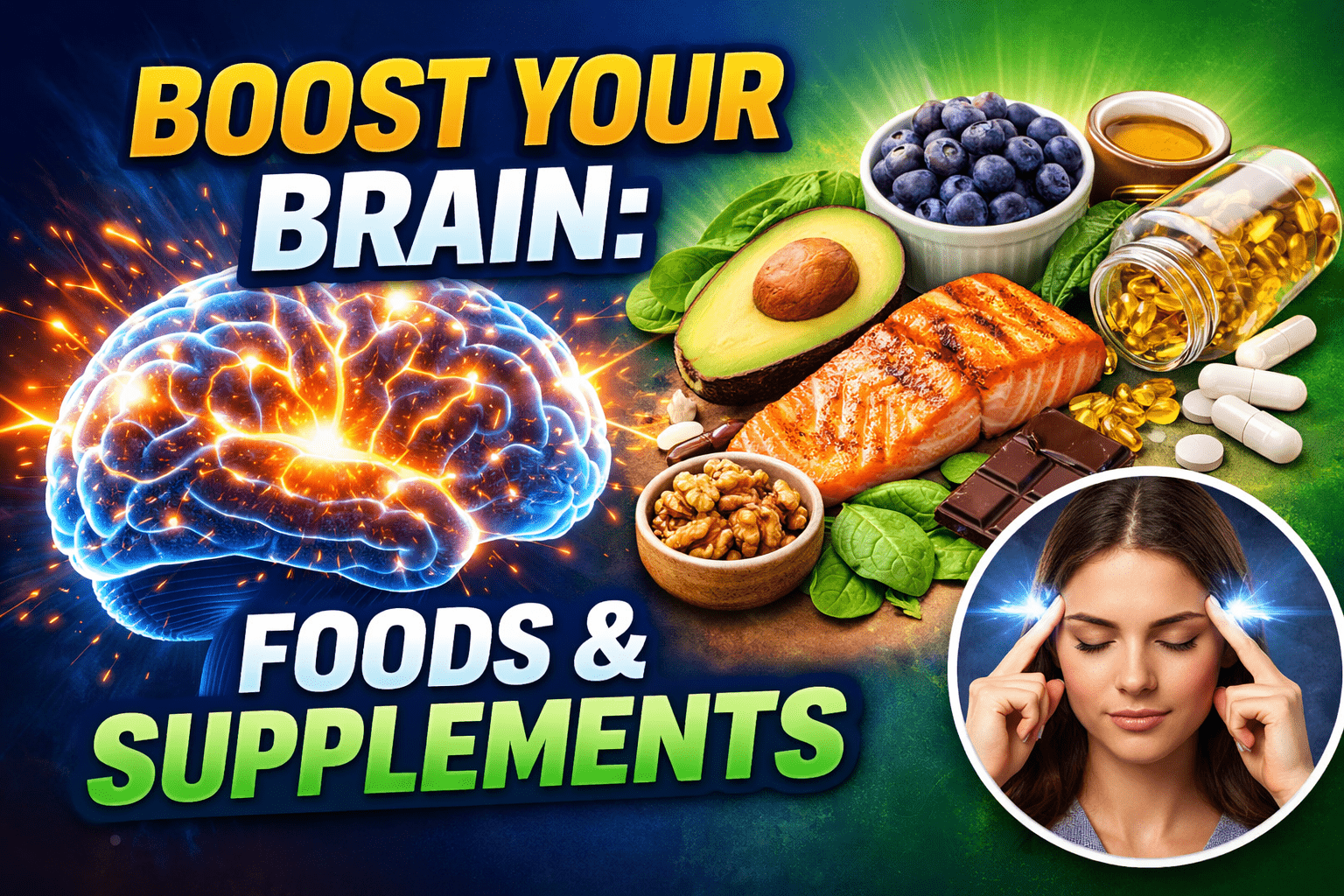
Have you ever experienced a mid-afternoon energy crash, a frustrating bout of brain fog, or difficulty focusing on a critical task? If so, you are not alone. In our fast-paced, information-heavy world, cognitive demands are higher than ever. Yet, many of us overlook the most powerful tool we have for optimizing our mental clarity: our diet.
The human brain is a high-performance engine. Despite accounting for only about 2% of your total body weight, it consumes nearly 20% of your body’s energy. Just like a luxury vehicle requires premium fuel to run smoothly, your brain requires highly specific nutrients to maintain optimal cognitive performance, regulate mood, and protect against long-term cognitive decline.
When you consume high-quality foods and targeted supplements for brain health, you are providing your brain cells (neurons) with the building blocks they need to communicate effectively, repair themselves, and grow. Conversely, a diet high in processed foods and refined sugars can lead to inflammation, oxidative stress, and a sluggish mind.
Whether you are a student aiming to improve focus, a professional navigating a demanding career, or simply someone looking to preserve your memory as you age, understanding the intersection of nutrition and neurology is vital. This comprehensive guide will explore the science-backed foods, essential supplements, and lifestyle habits designed to supercharge your brain health and elevate your cognitive performance.
The Science of Brain Health and Nutrition
Before diving into specific foods and supplements, it is helpful to understand why what you eat impacts how you think. The relationship between food and cognitive function boils down to three primary biological mechanisms:
1. Neuroplasticity and Neurogenesis
Neuroplasticity is the brain’s remarkable ability to reorganize itself by forming new neural connections throughout life. Neurogenesis is the creation of brand-new neurons, primarily in the hippocampus—the brain’s center for learning and memory. Certain nutrients, specifically Omega-3 fatty acids and flavonoids, promote the production of Brain-Derived Neurotrophic Factor (BDNF). BDNF is a protein that acts like fertilizer for the brain, encouraging the growth of new neurons and synapses.
2. Oxidative Stress and Inflammation
Every day, your body produces free radicals—unstable molecules that can damage cells. When there is an imbalance between free radicals and antioxidants, your body experiences oxidative stress, which is a major contributor to brain aging and neurodegenerative diseases. Chronic inflammation in the body can also cross the blood-brain barrier, leading to neuroinflammation (often felt as “brain fog”). An antioxidant-rich diet neutralizes free radicals and soothes inflammation.
3. The Gut-Brain Axis
The gut and the brain are intimately connected by the vagus nerve. Your gut microbiome—the trillions of bacteria living in your digestive tract—produces many of the neurotransmitters required by the brain, including about 90% of your body’s serotonin (the “feel-good” hormone). A healthy diet supports a diverse microbiome, which in turn supports a healthy, resilient brain.
Key Takeaway: Eating for brain health isn’t just about quick energy; it is about providing the physical building blocks for new brain cells, defending against cellular damage, and supporting the vital communication between your gut and your mind.
Top Foods for Brain Health and Cognitive Performance
To build a dietary foundation for cognitive longevity and daily focus, start by incorporating these nutrient-dense, brain-boosting foods into your regular meals.
Fatty Fish: The Ultimate Brain Food
When people talk about brain food, fatty fish is often at the top of the list, and for good reason. Fish such as salmon, trout, albacore tuna, herring, and sardines are incredibly rich sources of omega-3 fatty acids, specifically EPA (eicosapentaenoic acid) and DHA (docosahexaenoic acid).
About 60% of your brain is made of fat, and half of that fat is comprised of omega-3s. Your brain uses these fats to build brain and nerve cells, making them essential for learning and memory. Adequate DHA levels are linked to a lower risk of Alzheimer’s disease and milder age-related cognitive decline. Aim to eat fatty fish at least twice a week.
Blueberries and Other Dark Berries
Berries—especially blueberries, blackberries, and dark cherries—are packed with anthocyanins, a group of plant compounds with powerful anti-inflammatory and antioxidant effects.
Antioxidants act against both oxidative stress and inflammation, conditions that can contribute to brain aging. Some of the antioxidants in blueberries have been found to accumulate in the brain and help improve communication between brain cells. Regular consumption of berries has been shown to improve memory and delay short-term memory loss.
Leafy Green Vegetables
Kale, spinach, collards, and Swiss chard are nutritional powerhouses. They contain high levels of brain-healthy nutrients like vitamin K, lutein, folate, and beta carotene.
- Vitamin K: Essential for the formation of sphingolipids, a type of fat densely packed into brain cells.
- Folate (Vitamin B9): Helps reduce levels of homocysteine in the blood; high homocysteine is linked to cognitive decline.Incorporating a hearty salad or a side of steamed greens into your daily diet is one of the easiest ways to support long-term brain health.
Nuts and Seeds
Nuts and seeds are excellent sources of healthy fats, antioxidants, and vitamin E. Vitamin E shields cell membranes from free radical damage, helping slow mental decline.
While all nuts are beneficial, walnuts hold a special place in the realm of brain health. Interestingly shaped like a human brain, walnuts provide a significant source of plant-based omega-3s (ALA), along with polyphenols that reduce inflammation. Pumpkin seeds are another excellent choice, providing a rich source of zinc, magnesium, copper, and iron—all of which are crucial for nerve signaling and preventing neurological conditions.
Dark Chocolate and Cocoa
Dark chocolate with a high cocoa content (70% or greater) is packed with brain-boosting compounds, including flavonoids, caffeine, and antioxidants.
The flavonoids in chocolate gather in the areas of the brain that deal with learning and memory. Researchers believe these compounds enhance memory and help slow down age-related mental decline. Furthermore, chocolate is a legitimate mood booster, naturally stimulating the production of endorphins and increasing blood flow to the brain, which can enhance problem-solving skills and focus.
Eggs
Eggs are a fantastic, accessible source of several nutrients tied to brain health, including vitamins B6 and B12, folate, and choline.
Choline is a micronutrient that your body uses to create acetylcholine, a neurotransmitter that helps regulate mood and memory. Many people do not get enough choline in their diet, making the egg yolk—one of the most concentrated sources of this nutrient—a vital addition to a brain-healthy diet.
Fermented Foods
Given the importance of the gut-brain axis, fermented foods like kefir, sauerkraut, kimchi, yogurt, and kombucha are vital for cognitive performance. By introducing beneficial probiotics into your digestive system, you support the production of neurotransmitters and reduce systemic inflammation, leading to a clearer, more focused mind.
Foods That Drain Your Brain: What to Avoid
Just as certain foods can elevate cognitive performance, others can severely hinder it. To protect your brain health, limit or avoid the following:
- Refined Carbohydrates and Sugars: High consumption of sugary drinks, pastries, and white bread causes rapid spikes and crashes in blood sugar, leading to brain fog and lethargy. Over time, high sugar diets can impair memory and reduce hippocampal volume.
- Trans Fats: Found in commercially baked goods and certain margarines, artificial trans fats are linked to impaired memory, lower brain volume, and cognitive decline. (Look out for “partially hydrogenated oils” on ingredient labels).
- Highly Processed Foods: Convenience meals, chips, and fast food tend to be high in sugar, added fats, and sodium. These foods promote weight gain and visceral fat, which is associated with brain tissue damage and reduced cognitive function.
- Excessive Alcohol: While moderate consumption of certain alcohols (like red wine) might have minor benefits, excessive alcohol consumption neurotoxically damages the brain, reducing volume and disrupting the neurotransmitters responsible for behavior and thought.

Essential Supplements for Cognitive Performance
While obtaining nutrients through whole foods is always the optimal approach, modern lifestyles, dietary restrictions, and depleted soil qualities can make it difficult to get everything your brain needs from diet alone. This is where targeted supplements, including vitamins and nootropics (substances that enhance cognitive function), come into play.
1. Omega-3 Fish Oil or Algal Oil
If you do not consume fatty fish regularly, an Omega-3 supplement is highly recommended. Look for supplements that provide a high ratio of EPA and DHA.
- DHA is structural, maintaining the integrity of brain cell membranes.
- EPA is highly anti-inflammatory, helping to improve mood and reduce brain fog.
- Vegan Alternative: Algal oil supplements are derived from algae (the original source of omega-3s for fish) and are just as effective.
2. The B-Vitamin Complex
B vitamins—particularly B6, B9 (folate), and B12—are essential for brain health. They are involved in the production of neurotransmitters like dopamine and serotonin. More importantly, they help break down homocysteine, an amino acid that, at high levels, is linked to a greater risk of dementia and Alzheimer’s disease. B12 is especially important for vegans and older adults, as it is primarily found in animal products and absorption decreases with age.
3. Vitamin D3
Often called the “sunshine vitamin,” Vitamin D is technically a hormone that has receptors located throughout the brain. It plays a critical role in nerve growth and cognitive function. Low levels of Vitamin D are heavily correlated with mood disorders, depression, and cognitive impairment. Since it is difficult to get enough Vitamin D from food alone, supplementation is often necessary, particularly during winter months or for those who spend most of their time indoors.
4. L-Theanine and Caffeine
This combination is one of the most thoroughly researched, effective, and accessible nootropics available.
- Caffeine blocks adenosine (a chemical that makes you feel sleepy) and increases alertness.
- L-Theanine, an amino acid naturally found in green tea, promotes relaxation without drowsiness.When taken together, L-Theanine smooths out the jittery effects of caffeine, resulting in a state of “calm focus.” It is highly effective for sustained attention during demanding tasks.
5. Adaptogens: Ashwagandha and Rhodiola Rosea
Adaptogens are herbs that help the body and brain manage stress. Chronic stress elevates cortisol levels, which can physically shrink the brain and impair memory over time.
- Ashwagandha: An ancient Ayurvedic herb that has been shown to significantly reduce cortisol levels, lower anxiety, and improve memory and task performance.
- Rhodiola Rosea: Particularly effective at fighting mental fatigue. It is excellent for times of high stress, helping to improve processing speed and concentration when you are feeling burnt out.
6. Medicinal Mushrooms: Lion’s Mane
Lion’s Mane is a functional mushroom that has gained massive popularity in the cognitive enhancement space. It contains active compounds called hericenones and erinacines, which have been shown in studies to stimulate the synthesis of Nerve Growth Factor (NGF). NGF is crucial for the growth, maintenance, and survival of neurons. Supplementing with high-quality Lion’s Mane extract may improve memory, boost focus, and protect against cognitive decline.
7. Magnesium (Specifically Magnesium L-Threonate)
Magnesium is involved in over 300 biochemical reactions in the body, but standard forms of magnesium (like citrate or oxide) struggle to cross the blood-brain barrier. Magnesium L-Threonate is a specific compound designed to penetrate the blood-brain barrier effectively. Once in the brain, it supports synaptic density and plasticity, leading to improved learning, working memory, and sleep quality.
Supplement Cheat Sheet
Use this quick-reference table to understand which supplements align with your specific cognitive goals:
| Supplement Goal | Recommended Supplement | Primary Mechanism |
| Long-term Brain Protection | Omega-3 (DHA/EPA) | Builds cell membranes, reduces inflammation. |
| Immediate Focus & Energy | Caffeine + L-Theanine | Increases alertness while promoting calm. |
| Stress & Anxiety Reduction | Ashwagandha | Lowers cortisol and regulates stress pathways. |
| Combating Mental Fatigue | Rhodiola Rosea | Supports cellular energy metabolism. |
| Memory & Nerve Growth | Lion’s Mane Mushroom | Stimulates Nerve Growth Factor (NGF). |
| Mood & General Function | Vitamin D3 + B-Complex | Synthesizes neurotransmitters, regulates mood. |
Lifestyle Factors That Enhance Diet and Supplements
It is crucial to understand that no food or supplement can out-perform a poor lifestyle. To truly optimize your cognitive performance, nutrition must be paired with the following foundational habits:
Prioritize Deep Sleep
Sleep is the time when your brain consolidates memories, clears out metabolic waste (via the glymphatic system), and repairs itself. Without 7-9 hours of quality sleep, even the best nootropics will only serve as a temporary band-aid. Prioritize a cool, dark sleeping environment and limit screen time before bed.
Regular Physical Exercise
Exercise is arguably the most potent “supplement” for the brain. Aerobic exercise increases heart rate, which pumps more oxygen to the brain. It also triggers a massive release of BDNF (Brain-Derived Neurotrophic Factor), promoting neuroplasticity. Aim for at least 150 minutes of moderate aerobic activity per week, coupled with resistance training.
Stay Hydrated
Your brain is about 75% water. Even mild dehydration (as little as 2%) can impair cognitive performance, reduce concentration, and cause headaches. Keep a water bottle at your desk and aim to drink consistently throughout the day to keep your brain firing on all cylinders.
Building a Brain-Boosting Diet Plan
Theory is only useful when put into practice. Here is an actionable example of how you can structure a day of eating to maximize your brain health and cognitive performance:
- Breakfast: A bowl of oatmeal topped with a handful of walnuts, fresh blueberries, and a sprinkle of chia seeds. Serve with a cup of green tea (for natural L-Theanine and moderate caffeine).
- Mid-Morning Supplement/Snack: If needed, take your B-complex and Vitamin D3 with a small portion of plain Greek yogurt (for gut health).
- Lunch: A large salad with mixed leafy greens (spinach, kale), topped with grilled wild-caught salmon, pumpkin seeds, avocado, and a vinaigrette made with extra virgin olive oil.
- Afternoon Pick-Me-Up: A square of 70%+ dark chocolate and a glass of water to combat the mid-afternoon slump without resorting to sugary energy drinks.
- Dinner: Baked chicken or tofu, served with a side of steamed broccoli, fermented kimchi, and quinoa.
- Evening: A calming cup of chamomile tea or a magnesium supplement to wind down and prepare the brain for restorative sleep.
Conclusion
Optimizing your brain health and cognitive performance is a lifelong journey, not an overnight fix. By making conscious choices to fuel your body with nutrient-dense foods—like fatty fish, berries, leafy greens, and nuts—you provide your brain with the precise architecture it needs to thrive.
When you combine a wholesome diet with targeted, science-backed supplements like Omega-3s, adaptogens, and essential vitamins, you create an environment where focus, memory, and mental clarity become your default state. Remember to pair these nutritional strategies with adequate sleep, hydration, and regular exercise for maximum results. Your brain is your most valuable asset; it is time to start feeding it accordingly.
Related articles :
- Mastering Focus: The Ultimate Guide to Deep Work by Cal Newport
- What is Monk Mode? The Ultimate Guide to Reclaiming Your Focus and Changing Your Life
- How to Become More Intelligent Than 99% of People: A Complete Guide to Cognitive Mastery
- How to Speak Like the Richest 1%: Master the Language of High-Net-Worth Individuals
- 7 Principles for Teenagers to Become Millionaires