 By
By 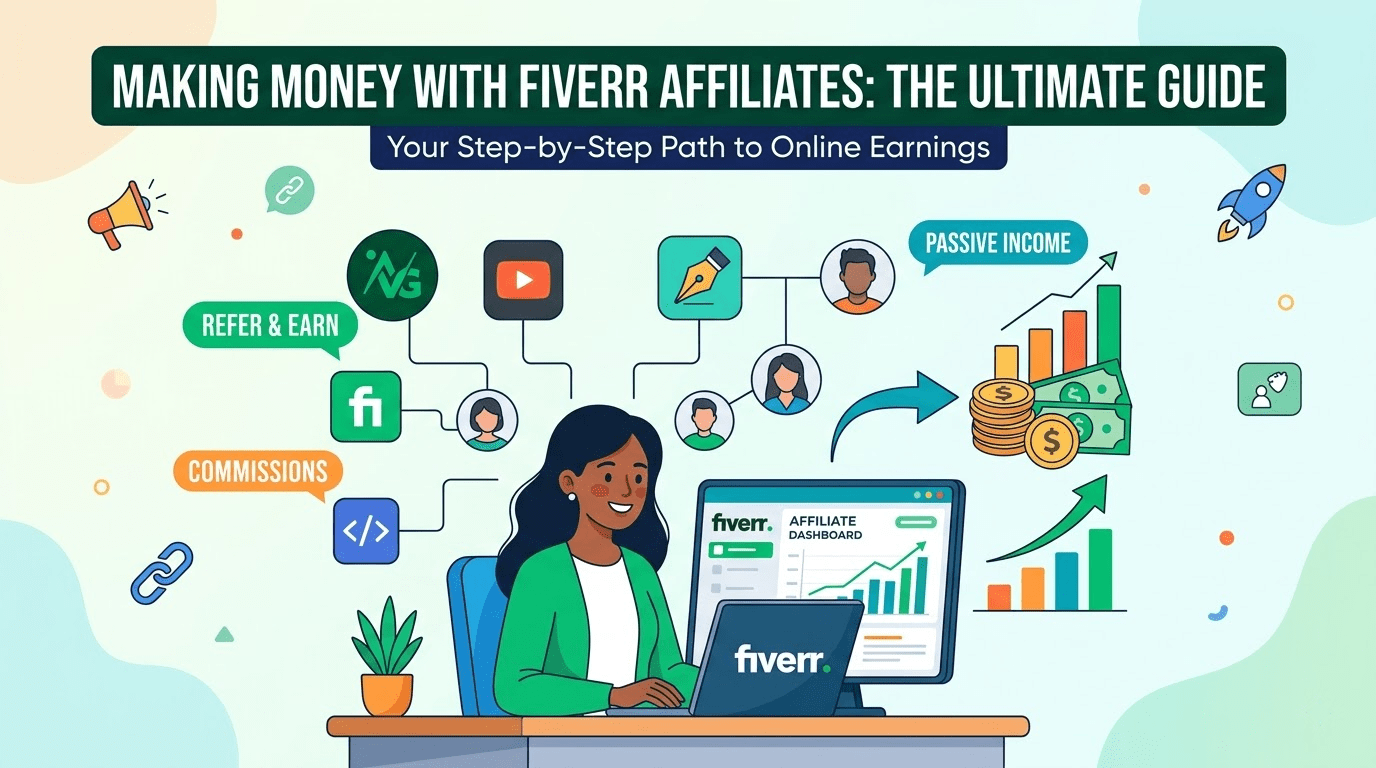
Have you ever wondered how some digital entrepreneurs manage to build a steady, reliable stream of passive income online? Affiliate marketing is frequently the engine behind that success. It is a straightforward concept: you recommend a product or service you believe in, and when someone makes a purchase through your unique link, you earn a commission. Today, we are going to dive deep into one of the most accessible, versatile, and highly rewarding networks available on the internet right now. Whether you are a seasoned digital marketer, a content creator, or a complete beginner looking to make your first dollar online, this program offers a fantastic starting point.
The freelance economy is booming, and at the center of it all is Fiverr. As businesses and individuals increasingly rely on outsourced talent for everything from graphic design to web development, the demand for affordable, high-quality freelance services has never been higher. By tapping into this immense demand, you can position yourself as the bridge between businesses needing help and the talented freelancers providing it. In this comprehensive guide, we will break down exactly how this ecosystem operates, the different ways you can get paid, and the proven strategies you can use to start generating a significant income.
What is the Fiverr Affiliate Program?
To understand the affiliate program, you first need to understand the platform itself. Fiverr is a massive global online marketplace that connects businesses and buyers with freelance professionals offering digital services. These services, known as “gigs,” span hundreds of categories, including programming, digital marketing, video editing, voice-over work, and copywriting. Originally known for gigs starting at just five dollars, the platform has evolved significantly. Today, top-tier professionals charge hundreds or even thousands of dollars for premium, enterprise-level work.
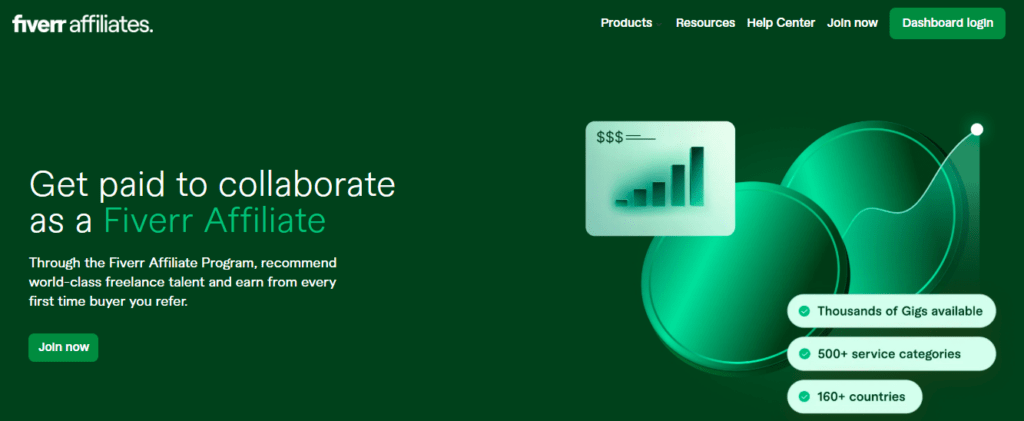
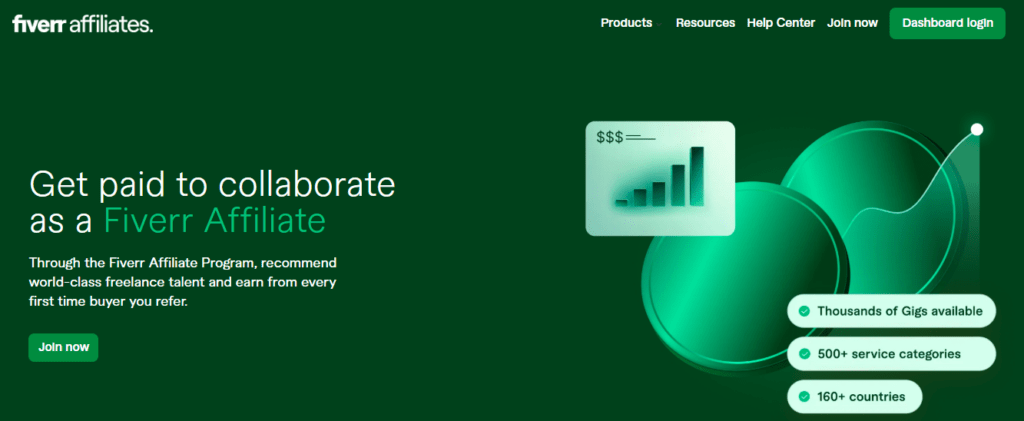
The affiliate program is a partnership opportunity that allows you to earn money by referring new buyers to the platform. When you sign up, you are given a unique tracking link. Your job is to share this link with your audience, friends, or clients. When someone clicks your link, creates an account, and purchases a gig, you get paid. It is that simple.
How Does the Tracking Work?
Like most affiliate networks, the system relies on “cookies.” When a user clicks your unique promotional link, a small piece of data is stored in their web browser. This cookie tracks their activity and attributes any subsequent purchases back to your account. One of the major advantages here is the tracking duration. If a user clicks your link but does not buy something immediately, you can still earn a commission if they return and make a purchase within the active cookie window (which can extend up to a year depending on the specific program model you choose).
Who Can Join?
One of the most appealing aspects of this opportunity is the low barrier to entry. You do not need a massive social media following, a highly trafficked website, or a background in digital marketing to get approved. The program is open to almost anyone willing to put in the effort to promote services ethically. Whether you run a popular blog, manage a small Facebook group, or simply want to refer a few colleagues who need logo designs, you can participate and start earning.
Understanding the Commission Structures
This is where things get truly exciting. Many affiliate programs offer a flat percentage rate across the board, which can sometimes be limiting. Fiverr understands that different affiliates have different goals and audiences, so they offer multiple, highly flexible commission plans. You get to choose how you want to be paid.
Fiverr CPA (Cost Per Acquisition)
The CPA model is incredibly popular because it offers an immediate, flat-rate payout. Under this structure, you receive a one-time fixed commission for every first-time buyer you refer. The exact amount you earn depends entirely on the category of the service the buyer purchases.
Commissions in the CPA model range from $15 up to a staggering $150 per referral. For example, if you refer someone who buys a simple data entry gig or a basic social media graphic, you might earn a $15 commission. However, if you refer someone who purchases a complex e-commerce website build, a whiteboard animation video, or a high-end mobile app development service, your commission jumps significantly. If you successfully refer a buyer to the “Pro” tier—which features hand-vetted, top-quality professionals—you earn the maximum $150 commission, regardless of the gig’s actual price.
Fiverr Hybrid (CPA + Revenue Share)
If you prefer the idea of building long-term, compounding passive income, the Hybrid model might be the better choice for you. Instead of a large, one-time payout, the Hybrid plan gives you the best of both worlds.
When you refer a new buyer using the Hybrid link, you receive a flat $10 CPA for their first purchase. However, the real value comes after that initial sale. You will also earn a 10% revenue share on every single purchase that buyer makes for the next 12 months.
Imagine you refer a small business owner who is launching a startup. They click your link and buy a $50 logo design. You immediately earn $10. A week later, they spend $300 on SEO services—you earn $30. Next month, they spend $500 on a website redesign—you earn $50. Over the course of a year, a single active buyer can generate hundreds of dollars in passive commissions for you without any extra effort on your part.
Other Products to Promote
Beyond the standard freelance marketplace, you can also earn money by promoting other ecosystem products:
- Fiverr Business: Designed for larger corporate teams to manage freelance talent and projects collaboratively. Promoting this can yield significant rewards, often featuring high-value CPA payouts or revenue shares when a referred business spends a minimum threshold.
- Fiverr Learn: A platform offering highly produced, educational online courses taught by industry experts. If you refer a user to buy a course, you earn a solid 30% commission on the course price.
- Sub-Affiliates: You can even earn money by recruiting other people to become affiliates. When someone joins the affiliate program through your specific sub-affiliate link, you earn a 10% cut of their lifetime earnings.
The Pros and Cons of Being an Affiliate
Every program has its strengths and limitations. It is crucial to understand these before you invest your time and energy into building campaigns.
The Pros
- Massive Variety of Niches: Because there are hundreds of service categories, you can promote gigs regardless of your niche. If you run a fitness blog, you can promote personal trainers and meal plan writers. If you run a finance channel, you can promote financial consultants and Excel experts.
- Global Reach: You are not limited to promoting to audiences in a specific country. You can earn commissions from buyers located in over 160 different countries.
- High Payout Potential: The ability to earn up to $150 for a single referral, or secure a 12-month revenue share, makes this one of the most lucrative networks available for digital marketers.
The Cons
- The First-Time Buyer (FTB) Rule: This is the most critical rule to understand. You will only earn a commission if the person you refer has never purchased on the platform before. If someone already has an active account and buys a gig through your link, you will not receive a payout. Your goal is always strict new customer acquisition.
- Payment Threshold: You cannot withdraw your earnings until your account balance reaches a minimum of $100. For complete beginners, it might take a few sales to hit this initial milestone.
Step-by-Step Guide: How to Sign Up
Getting started is a straightforward, hassle-free process.
Step 1: Registration
Head over to the official affiliate program website and click the “Join Now” button. You will be asked to select an account type. Most individuals will select the “Private” or “Individual” option, while registered companies should select the “Company” option.
Step 2: Filling in Your Details
You will need to provide standard personal information, including your name, email address, country of residence, and a preferred password. The form will also ask about your primary traffic sources. Be honest here. If you plan to use a blog, paste your URL. If you plan to use social media, mention your platforms. You do not need massive traffic to be approved, but providing accurate information helps the team understand your promotional methods.
Step 3: Getting Approved and Accessing the Dashboard
Unlike strict, exclusive networks that take weeks to review applications, approval here is generally swift and often instantaneous. Once you are in, you will gain access to your affiliate dashboard. This dashboard is your command center. Here, you can track your clicks, monitor your conversion rates, view your earnings in real-time, and access all your marketing materials.
How to Get Your Affiliate Links
Once inside the dashboard, navigating the link generation tools is your next critical step.
Default Links vs. Deep Links
When you navigate to the “Marketing Tools” section, you will see your default links. A default link simply sends the user to the platform’s homepage. While this works, it is rarely the best strategy for conversions.
If you are writing an article about logo design, sending a user to the homepage forces them to search for a logo designer themselves. Many will simply close the tab. This is where Deep Linking comes in. A deep link allows you to direct users to a specific search results page, a specific category, or even directly to the profile of a top-rated freelancer.
To create a deep link, find the exact URL of the gig you want to promote. Go to your dashboard, select “Default and Deep Links,” click on the “LP URL” (Landing Page URL) button, paste the gig link into the box, and hit enter. The system will instantly generate a customized tracking link that points exactly where you want the user to go. Deep linking significantly reduces friction and drastically improves your chances of making a sale.
Proven Strategies to Make Money
Having an affiliate link is only half the battle. The real work lies in getting that link in front of the right audience at the right time. Here are several highly effective strategies to generate consistent commissions.
1. Create High-Quality Blog Content and Tutorials
Content marketing is one of the most reliable ways to drive targeted, high-intent traffic to your links. By creating comprehensive guides and tutorials, you naturally attract people who are actively looking for solutions.
For example, you could write a massive, step-by-step guide on how to start a podcast. Within that guide, you will naturally discuss the need for intro music, voice-over work, and podcast cover art. Instead of just mentioning these needs, you provide deep links directly to highly-rated audio engineers and graphic designers. Because the reader is actively trying to start a podcast, they are highly motivated to click and purchase the services you recommend.
2. Leverage YouTube Reviews and Guides
Video marketing converts incredibly well because it builds immense trust. Viewers can see your face, hear your voice, and watch you interact with the product.
A popular and highly profitable YouTube format is the “Service Test” video. You could title a video: “I Paid $5 and $500 for a Custom Animation—Here are the Results.” In the video, you showcase the work of two different freelancers, comparing the quality, communication, and turnaround time. In the video description and the pinned comment, you place your deep links to the exact freelancers featured in the video.
3. Utilize Social Media and Pinterest
You do not need to rely solely on search engines to drive traffic. Visual platforms like Pinterest are goldmines for affiliate marketing. Pinterest acts as a visual search engine, and users go there specifically for inspiration and to make purchasing decisions.
If you are promoting graphic design, architecture, or illustration gigs, create beautiful, high-quality pins showcasing stunning examples of this work. Title your pins with strong keywords (e.g., “Minimalist Startup Logo Ideas”) and link the pin directly to a curated list of relevant freelancers. Because Pinterest traffic is heavily focused on aesthetics and design, conversion rates for visual services can be exceptional.
4. Answer Questions on Forums like Quora and Reddit
Forums are packed with people asking specific questions, making them perfect environments for helpful affiliate marketers. However, the golden rule of forum marketing is to provide genuine value first. If you just spam your link, you will be banned immediately.
Search Quora or Reddit for questions like, “Where can I find an affordable WordPress developer?” or “How do I create a brand identity on a budget?” Write a thoughtful, detailed answer. Share your own experiences, give them actionable advice, and at the very end of your response, politely mention that you have had great success hiring developers on the platform, including a deep link to a freelancer you recommend.
5. Recommend Services to Your Existing Clients or Audience
If you already run a digital business, this is the lowest-hanging fruit available. If you offer consulting, web design, or marketing services, your clients will inevitably ask you for help with things outside your scope of expertise.
For instance, if you build ecommerce and dropshipping resources for clients, they will eventually need custom ad creatives, product video editors, or advanced SEO audits. When they ask for a referral, you can send them your deep link to a trusted professional. Furthermore, if you are actively managing a Shopify store and discussing strategies with your peers, you can explain how a visually appealing storefront is crucial for conversions. When discussing the setup process, you can direct them to developers who specialize in customizing high-converting Shopify themes, using your affiliate link. This allows you to monetize your existing network while simultaneously providing a helpful solution to their problems.
Tips for Maximizing Your Affiliate Earnings
To scale your income from a few dollars a month to a full-time revenue stream, keep these advanced tips in mind:
Choose the Right Niche
While you can promote anything, it is much easier to succeed if you focus on a specific niche that aligns with your knowledge. If you know nothing about coding, it will be hard to write convincing content promoting software developers. Focus on what you know. This allows you to evaluate gig quality accurately and speak to your audience with genuine authority.
Focus on High-Value Gigs
Remember the CPA structure. Promoting a $5 background removal gig will only earn you a small commission. While these are easy to sell, you need a massive volume of traffic to make a substantial income. Whenever possible, try to promote high-ticket items: animated explainer videos, mobile app development, comprehensive SEO campaigns, and professional copywriting. It takes the same amount of effort to write a blog post promoting a $500 gig as it does a $5 gig, but the payout is drastically different.
Always Add Genuine Value
The modern internet user is savvy. They can spot a thin, low-effort affiliate pitch from a mile away. Your goal should never be to just “trick” someone into clicking a link. Your goal is to solve their problem. Curate lists of the top-rated sellers, test the services yourself, write honest reviews detailing the pros and cons, and be transparent about your affiliate relationship. Trust is the currency of affiliate marketing; once you have your audience’s trust, the sales will naturally follow.
How and When Do You Get Paid?
Understanding the payout mechanics is vital for managing your cash flow. As mentioned earlier, you must reach a minimum threshold of $100 in earned commissions before you can request a withdrawal.
Once you hit that threshold, the platform offers a variety of flexible payout methods to accommodate users globally. You can choose to have your funds transferred directly to your PayPal account, which is the preferred method for many digital marketers. Alternatively, you can opt for a direct bank transfer (ACH for US residents), utilize a Payoneer account, or request the funds via a specialized Revenue Card.
Payments are typically processed on a net-30 basis, meaning the commissions you earn in January will be cleared and ready for withdrawal at the beginning of March. This buffer period allows the platform to account for any potential refunds or canceled orders.
Conclusion
The Fiverr Affiliate Program represents an incredible opportunity to monetize your content, your network, and your digital expertise. With its low barrier to entry, diverse range of services, and highly lucrative commission structures, it is well-suited for marketers of all experience levels. By understanding the difference between the CPA and Hybrid models, mastering the art of deep linking, and focusing on creating genuinely helpful content that solves real problems, you can build a sustainable, growing stream of passive income. Remember, success in affiliate marketing does not happen overnight. It requires consistency, patience, and a commitment to providing value. Start implementing these strategies today, and watch your affiliate dashboard come to life.
Frequently Asked Questions
1. Is the Fiverr affiliate program free to join?
Yes, joining the program is completely free. There are no signup fees, monthly charges, or hidden costs to become an affiliate.
2. How much can I earn with the program?
Your earnings are virtually limitless and depend entirely on your traffic and conversion rates. Using the CPA model, you can earn between $15 and $150 per referral. With the Hybrid model, you can earn a $10 CPA plus a 10% revenue share for an entire year.
3. What is a First-Time Buyer (FTB)?
A First-Time Buyer is a user who has never created an account or made a purchase on the platform before. You only receive a commission when a brand-new user clicks your link and buys a service.
4. Do I need a website to become an affiliate?
No, having a website is not a strict requirement. While blogs are highly effective, you can also promote your links successfully on YouTube, Pinterest, Twitter, Facebook groups, and forums like Quora, provided you adhere to their respective spam policies.
5. How do I create a link to a specific freelancer’s gig?
You need to use the Deep Link feature. Go to your affiliate dashboard, navigate to “Marketing Tools,” select “Default and Deep Links,” click on the “LP URL” button, and paste the specific gig URL into the box to generate your custom tracking link.
6. Can I promote my links through paid advertising?
Yes, you can use paid advertising like Google Ads or Facebook Ads. However, you must carefully read the terms of service. You are generally prohibited from bidding on branded keywords (like the company name itself) in search engine marketing campaigns.
7. What happens if an order is canceled or refunded?
If the buyer cancels the order or requests a refund, the commission generated from that specific sale will be reversed and deducted from your affiliate account balance.
8. How long does it take to get paid?
Once you reach the $100 minimum threshold, payments are issued on a net-30 basis. This means earnings generated in a given month are cleared and available for payout in the first week of the following month.
Explore More Related Articles
- How to Set Up an Affiliate Program for Your Shopify Dropshipping Store
- The Ultimate Guide to Scaling Your E-commerce Business in 2026
- Why You Need a High-Converting Shopify Theme This Year
- Top 10 Dropshipping Niches to Start Your Store Today
- Maximizing Sales with Modern Website Design Strategies