
 By
By 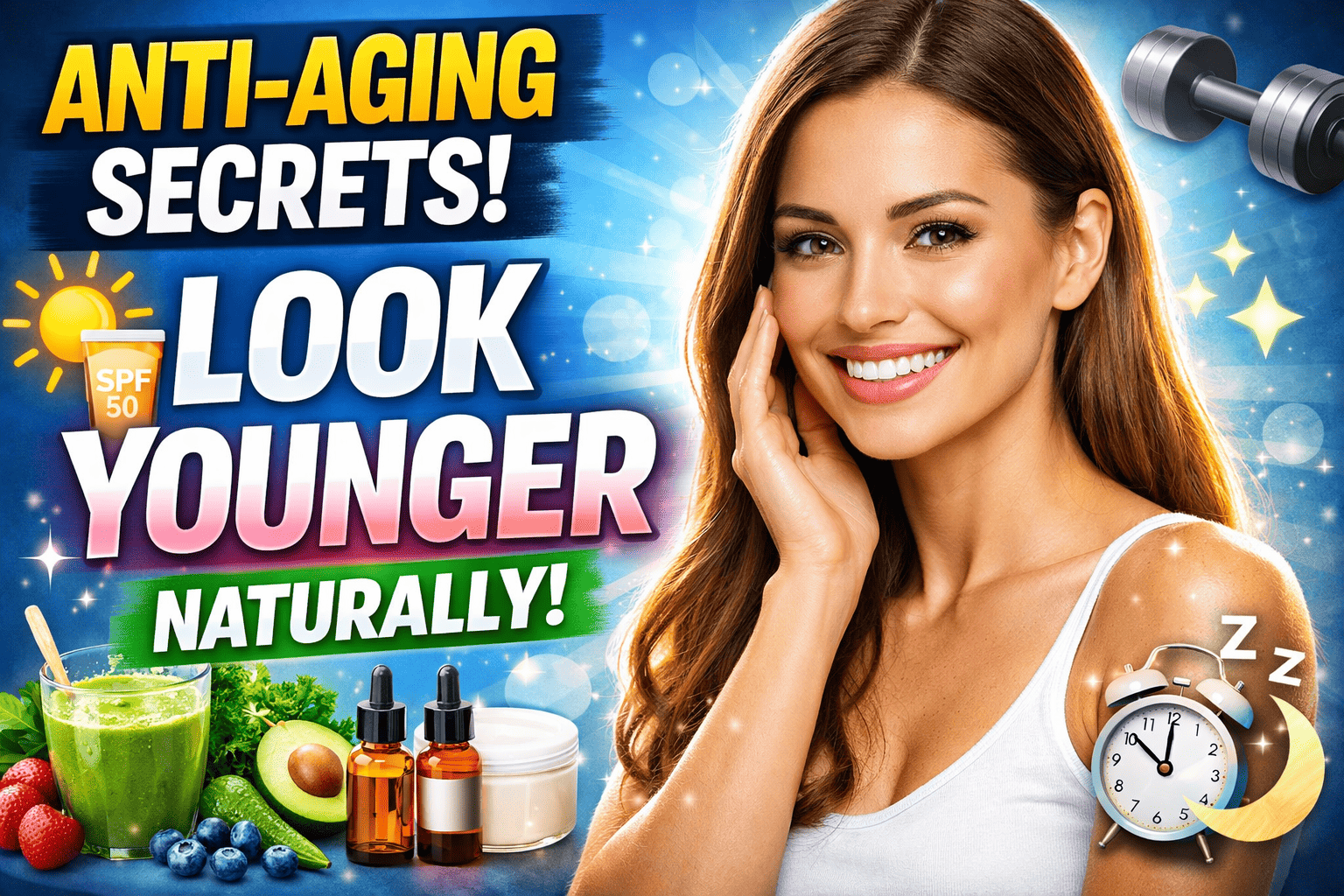
Aging is an inevitable part of life — but how it looks on your body and skin can be significantly influenced by your daily habits, environment, nutrition, and skincare choices. In this comprehensive article, we’ll explore what aging really is, why we appear to age, and the most effective evidence-based strategies to slow down visible aging and promote youthful vitality.
Introduction
Whether you’re in your 20s or your 70s, the goal is the same: maximize health, preserve youthful features, and feel confident in your skin.
1. What Is Aging — And What Causes Our Appearance to Change?
At its core, aging involves a complex interplay of biological processes. Cells undergo wear and tear, molecular damage accumulates, and regenerative processes slow down over time. Visible signs — such as wrinkles, sagging skin, loss of elasticity, and changes in tone and texture — are expressions of these underlying processes.
Aging occurs due to intrinsic factors (genetics, metabolic processes) and extrinsic factors (lifestyle and environment). While we can’t alter our genetics, we have considerable control over many external contributors to aging. PMC
Two broad types of skin aging are:
Chronological Aging: Natural aging tied to time and genetics.
Photo-aging: Caused by environmental factors like ultraviolet (UV) exposure. PMC
Understanding aging helps us focus on prevention and targeted strategies to stay looking young.
2. Protecting Your Skin: The Foundation of Anti-Aging
Most visible signs of aging appear first on the skin — especially the face, neck, and hands. Good skin care isn’t vanity: it’s health care.
Sun Protection Is the #1 Step
UV radiation from the sun damages collagen and elastin, accelerates pigmentation and wrinkling, and increases cancer risk. Daily sunscreen with broad-spectrum protection (UVA + UVB, SPF 30+) is a cornerstone of anti-aging. Use it even when it’s cloudy, and reapply throughout the day. Harvard Health+1
Wearing hats, sunglasses, and protective clothing further reduces UV damage.
3. The Role of Antioxidants — Nature’s Defense System
Our environment constantly exposes our skin to oxidative stress — caused by UV rays, pollution, and even normal metabolic processes — which leads to cellular damage and faster aging. metagenics.co.uk
Antioxidants neutralize harmful free radicals and support skin health.
Topical antioxidants:
- Vitamin C (L-ascorbic acid): Helps brighten skin, boost collagen production, and protect against environmental damage. Cleveland Clinic
- Vitamin E: Works synergistically with Vitamin C to defend against oxidative stress. Cosmoderma
Dietary antioxidants:
Eat a rainbow of fruits and vegetables like:
- Blueberries and berries (rich in anthocyanins)
- Bell peppers and citrus (Vitamin C)
- Leafy greens (vitamin E and carotenoids) Vogue
Antioxidant-rich diets are linked to fewer signs of aging and healthier skin. News-Medical
Read also : How Apple Turns iPhones into a $400B Empire: The Full Breakdown
4. Skincare Ingredients That Actually Work
With countless products on the market, it’s easy to get overwhelmed. But science narrows down the most effective categories of ingredients:
Retinoids (Vitamin A Derivatives)
Retinoids increase skin cell turnover, boost collagen, and reduce fine lines and wrinkles. They’re one of the most studied anti-aging ingredients. U.S. Dermatology Partners
Note: Retinoids can increase sun sensitivity — always use sunscreen and start slowly.
Peptides
Copper peptides — chains of amino acids with copper — help stimulate collagen and elastin production, supporting firmer skin and fewer wrinkles. Vogue
Hyaluronic Acid and Moisturizers
Hydration plumps the skin and smooths fine lines. Moisturizers with hyaluronic acid or glycerin improve moisture retention. Harvard Health
Gentle Cleansing
Removing dirt, pollutants, and makeup at the end of the day is essential. Leaving residues on the skin can hinder repair and accelerate aging. thesun.co.uk
Daily Routine Example
Morning:
- Gentle cleanser
- Antioxidant serum (e.g., Vitamin C)
- Moisturizer
- Broad-spectrum sunscreen
Evening:
- Cleanse
- Retinoid serum (if tolerated)
- Peptide or hydrating serum
- Moisturizer Cleveland Clinic
5. Diet and Nutrition: Feed Your Skin from Within
Your skin reflects what you eat.
Anti-Inflammatory, Antioxidant-Rich Foods
Research shows healthier diets are associated with reduced signs of aging. Diets like Mediterranean, rich in fruits, vegetables, healthy fats, and lean proteins, support youthful skin and overall health. sciencedirect.com+1
Key Nutrients for Youthful Skin
- Vitamin C: Essential for collagen formation. ScienceAlert
- Carotenoids: Found in orange and green vegetables — they help skin elasticity and glow. Vogue
- Healthy Fats (Omega-3s): Support cell membranes and may reduce biological aging. thescottishsun.co.uk
Foods to Limit
- High sugar and refined carbohydrates — linked with inflammation and faster aging. News-Medical
Hydration Matters
Dehydrated skin looks dull and accentuates wrinkles. Aim for ample water intake daily — and eat water-rich fruits and vegetables. pureluxemedical.com
Supplements and Oral Collagen
Some studies indicate that oral collagen peptides may improve skin hydration and elasticity, though results vary. Springer Nature Link
6. Lifestyle Factors That Influence Aging
Regular Physical Activity
Exercise improves circulation, delivering oxygen and nutrients to skin cells. It boosts mitochondrial function and may enhance skin structure over time. PMC
Sleep — The Body’s Repair Mode
Rest isn’t optional: sleep supports cellular repair, hormone balance, and immune function. Poor sleep quality is linked with accelerated aging.
Stress Management
Chronic stress increases inflammation and can degrade skin quality. Meditation, hobbies, and supportive relationships all help reduce stress load.
Avoid Smoking & Limit Alcohol
Tobacco smoke is one of the strongest environmental accelerators of skin aging. It reduces blood flow and damages collagen. Excessive alcohol dehydrates and inflames skin. aad.org
7. Cutting-Edge and Future Anti-Aging Science
Beyond skincare and lifestyle, science is exploring deeper anti-aging solutions:
- Molecular research on aging mechanisms: Emerging studies aim to understand how aging affects cells at a molecular level and how targeted therapies could delay biological aging. SpringerLink
- Dietary and metabolic interventions: Certain foods and diets may influence longevity pathways. PMC
- Potential therapeutics: Research into NAD+-related pathways, sirtuins, and other aging modulators is advancing. Frontiers
While many advanced interventions are still under research or clinical evaluation, they point toward the future of aging science.
8. Integrate These Tips into Daily Life — Your Anti-Aging Action Plan
Here’s a practical anti-aging checklist you can start today:
Morning Ritual
✔ Gentle cleanse
✔ Antioxidant serum (Vitamin C)
✔ Moisturizer
✔ Broad-spectrum sunscreen SPF 30+
Evening Ritual
✔ Cleanse (especially remove makeup)
✔ Retinoid or peptide serum
✔ Nourishing moisturizer
Weekly Habits
✔ Hydrate daily
✔ Eat antioxidant-rich foods
✔ Exercise several times per week
✔ Prioritize sleep
Lifestyle Essentials
✔ Never skip sunscreen
✔ Stop smoking
✔ Limit alcohol
✔ Manage stress
9. Mindset Matters: Graceful Aging vs. Youth Obsession
Looking young isn’t about denying age — it’s about optimizing health and presentation in a way that reflects your lifestyle and values. Many people find that blending confidence, self-care, and healthy habits leads to the best long-term reward: feeling young even as you grow older.
Conclusion: Aging Well Is a Whole-Life Strategy
There’s no single magic product that will stop aging — but a combination of consistent skincare, smart nutrition, protective habits, and evidence-based lifestyle choices can significantly slow visible aging and enhance how you look and feel.
From sunscreen and antioxidants to sleep and nutrition, the steps you take today have a cumulative impact on how your skin and body age tomorrow. With awareness and consistency, you can preserve youthful vitality and embrace aging with confidence and grace.
- Chase DeMoor: From Football Fields to Boxing Rings and Reality TV Stardom
- A Deep Dive into McDonald’s Employee Compensation: From the Front Counter to the Corporate Office
- Sherrone Moore Net Worth: From Michigan Millions to Controversy
Would like to create a profitable online business ? Book a Free discovery call now