
 By
By 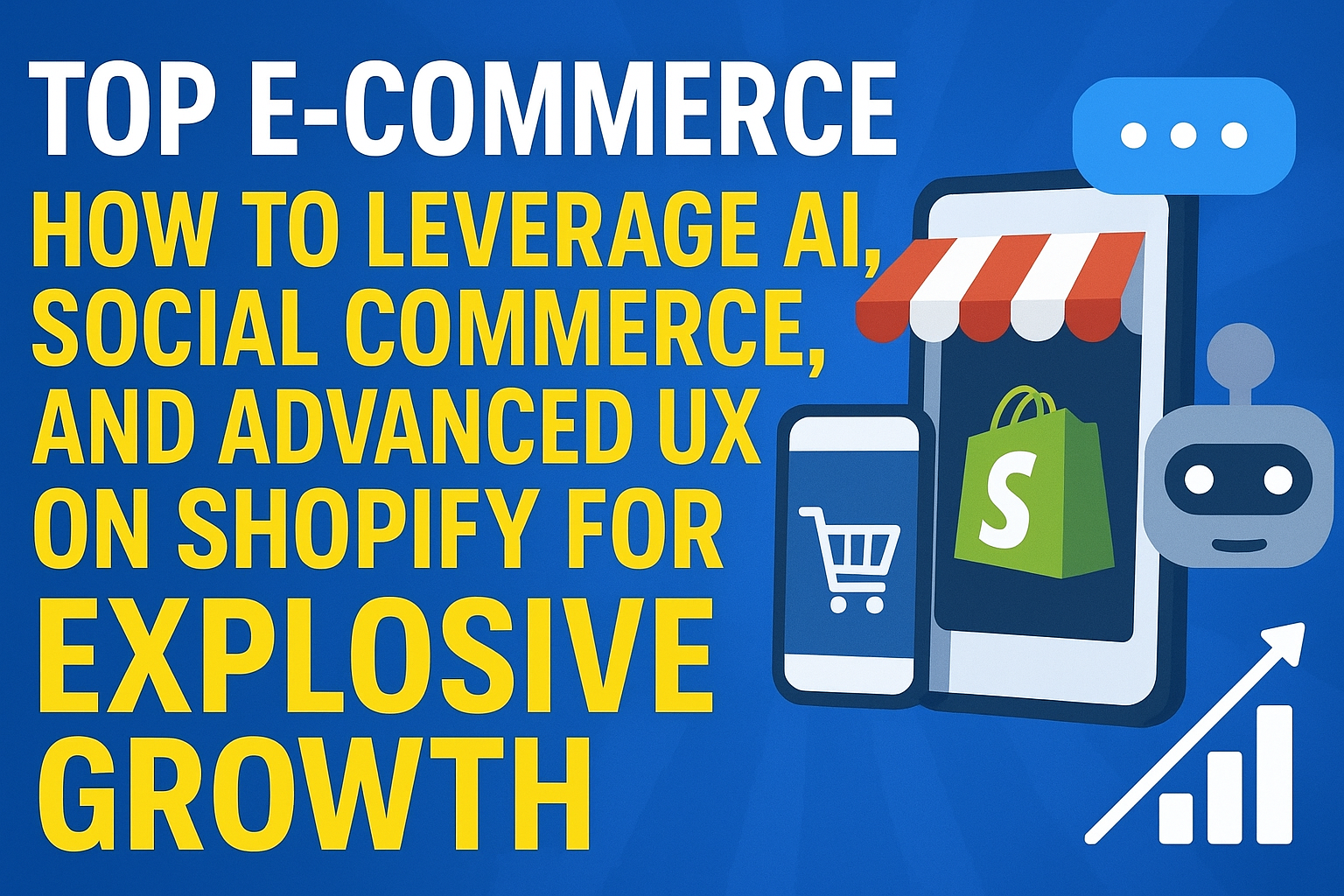
As ecommerce continues to evolve at a rapid pace, 2026 promises to be a transformative year for online stores, especially for those built on Shopify. Staying ahead means embracing emerging technologies and trends that resonate with changing consumer behaviors. This article explores the most powerful ecommerce trends shaping 2026 and offers actionable insights for Shopify merchants to harness these for remarkable traffic and sales growth.
AI-Powered Personalization and Automation
Artificial Intelligence (AI) is no longer a futuristic concept but a practical tool revolutionizing ecommerce. In 2026, AI’s role in Shopify stores extends far beyond chatbots and basic automation:
- Personalized Shopping Experiences: AI algorithms analyze customer behavior, previous purchases, and browsing patterns to deliver tailored product recommendations, increasing conversion rates and customer satisfaction.
- Advanced Virtual Assistants: AI-powered chatbots on Shopify get smarter, offering nuanced assistance, personalized advice, and engagement similar to human interactions, improving retention and upselling.
- Dynamic Pricing: AI enables real-time price optimizations based on market demand, competitor pricing, and inventory levels directly within Shopify, helping merchants maximize profits without manual effort.
- Inventory Optimization: Shopify merchants leverage AI to predict demand trends and optimize stock levels, preventing both overselling and stockouts.
By integrating AI tools designed for Shopify, merchants can automate marketing, boost sales, and create a hyper-personalized buying journey.
Social Commerce and Live Shopping Integration
Social media platforms like TikTok, Instagram, and Facebook are becoming vital sales channels through social commerce—shopping directly within social apps without leaving the platform.
- Shopify and TikTok Collaboration: Shopify stores can set up virtual storefronts on TikTok, allowing direct shopping from TikTok videos and live streams, capitalizing on Gen Z and Millennial users.
- Instagram Shops and AR Try-Ons: Instagram integrates shopping features paired with augmented reality (AR) filters that enable customers to “try” products virtually, such as makeup or accessories, before buying.
- Live Shopping Events: Real-time shopping with live streams on platforms like Instagram and YouTube engage customers with interactive demos and promotions, increasing conversion rates and brand affinity.
Embracing social commerce and live shopping within Shopify not only diversifies traffic sources but also drives authentic engagement and sales.
Augmented and Virtual Reality for Immersive Experiences
AR and VR technologies are reshaping how shoppers experience products online:
- Virtual Try-Ons: Shopify merchants in fashion, beauty, and home décor can deploy AR tools to let customers visualize products (e.g., furniture, shoes, makeup) in their own space or on themselves before purchase, reducing returns.
- Virtual Showrooms and 3D Experiences: VR allows customers to navigate interactive virtual stores and inspect products in 3D, replicating physical retail experiences digitally.
- Enhanced Customer Support: AR-powered visual guides and manuals reduce support queries, enhancing customer satisfaction.
Shopify apps that integrate AR and VR can significantly increase time on site, engagement, and ultimately sales by making shopping more experiential and trustworthy.
Hyperpersonalization and Dynamic Content
Gone are the days when static product pages suffice. Ecommerce success in 2026 demands highly personalized, dynamically tailored user experiences:
- Personalized Content Blocks: Shopify themes and page builders support dynamic blocks that adapt product images, recommendations, and promotions based on visitor profiles (location, browsing history, purchase behavior).
- Dynamic Pricing and Offers: Target customers individually with time-sensitive discounts or loyalty perks based on their unique shopping patterns.
- Behavioral Segmentation: Deliver ultra-relevant email marketing and onsite messaging leveraging Shopify’s customer data and integrated AI tools.
This level of hyperpersonalization boosts customer retention, reduces bounce rates, and increases average order values.
Focus on Sustainability and Ethical Commerce
Today’s consumers, especially Millennials and Gen Z, expect ecommerce brands to demonstrate environmental and social responsibility:
- Sustainable Products and Packaging: Highlight eco-friendly merchandise on Shopify stores and provide transparent information about materials and sourcing.
- Circular Economy Initiatives: Promote buyback programs, recycling options, and refurbished goods sections, possibly leveraging Shopify apps catering to secondhand markets.
- Authentic Messaging: Avoid greenwashing by backing sustainability claims with real certifications and transparent practices.
Sustainability can be a key traffic driver and loyalty enhancer as shoppers increasingly prefer brands aligned with their values.
Enhanced Security and Privacy Assurance
Data privacy is paramount in 2026 ecommerce. Shopify merchants must adopt robust security measures to build trust:
- AI-Driven Fraud Detection: Use AI tools integrated with Shopify to monitor and flag fraudulent transactions instantly.
- Biometric and Multi-Factor Authentication: Enhance account security for returning customers with advanced verification methods.
- Blockchain-Based Payments and Smart Contracts: Emerging blockchain payments enable faster, more secure, and transparent transactions internationally.
- Compliance and Data Encryption: Ensure GDPR and other regulations compliance, emphasizing transparent data practices and secure payment gateways.
A secure shopping environment improves SEO rankings and customer confidence, directly impacting traffic and conversion.
Omnichannel and International Expansion
Shopify merchants should adopt omnichannel selling, ensuring seamless customer experiences across online stores, social media, marketplaces, and offline touchpoints. Additionally, leveraging Shopify’s multi-currency and multilingual capabilities supports global expansion with localization.
- Connected Composable Commerce: Build an integrated commerce ecosystem with a reliable core and flexible microservices for fast scaling.
- Cross-Border Selling: Expand beyond borders using Shopify’s tools for taxes, regulations, and logistics to capture global audiences.
Successful internationalization with omnichannel presence significantly enlarges Shopify stores’ addressable market and organic traffic potential.
Conclusion
This comprehensive article covers the major ecommerce trends for 2026, focusing on Shopify-specific strategies to leverage AI, social commerce, AR/VR, hyperpersonalization, sustainability, security, and globalization. Such an article targeting ecommerce entrepreneurs and Shopify merchants will attract substantial organic traffic due to its timeliness, depth, and actionable insights.
Related article : The Visual Revolution: How to Use AI Videos to Make Money Online
Would like to boost your marketing strategy ? Book a Free discovery call now