 By
By 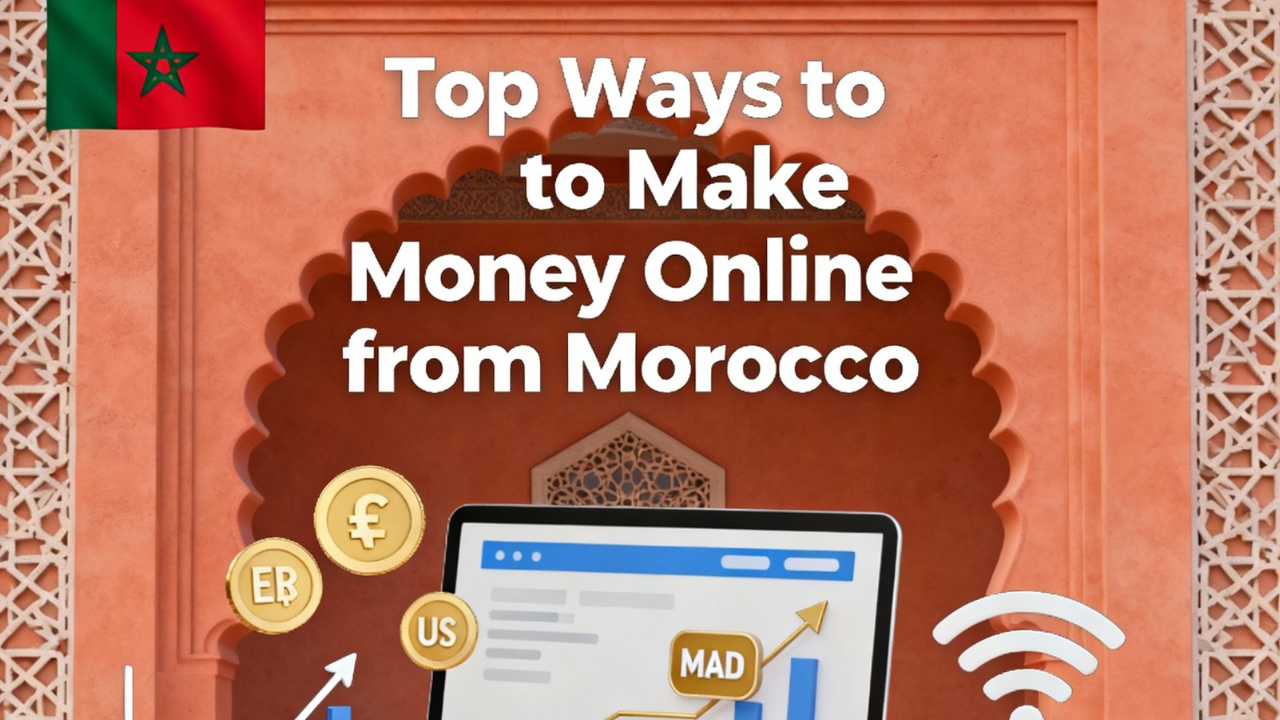
Making money online from Morocco in 2026 is more achievable than ever thanks to the booming digital economy, accessible global platforms, and supportive local regulations. This article explores the top methods for generating income from Morocco—ranging from freelancing and e-commerce to teaching, content creation, and investing—while addressing legal and strategic steps for success.
The Rise of Morocco’s Digital Economy
Morocco is witnessing a digital revolution. Internet penetration exceeds 90%, mobile payment solutions like Inwi Money and CIH Pay are growing, and e-commerce transactions have surpassed 57 billion dirhams in value. These developments make it easier than ever for Moroccans to work online, attract international clients, and receive payments legally.
Freelancing on Global Platforms
Freelancing remains the fastest path to earning online. Platforms like Upwork, Fiverr, and Freelancer connect Moroccan professionals to clients worldwide. Skills in high demand include:
- Graphic design
- Content writing
- Translation (Arabic–French–English)
- Programming and app development
- Virtual assistance
By building a compelling profile, optimizing keywords, and collecting positive reviews, Moroccan freelancers can easily secure ongoing projects and earn in foreign currency, often through Payoneer or Wise.
Launching an E-Commerce Store
E-commerce is a lucrative sector with massive growth across Morocco. Entrepreneurs can start by selling:
- Handmade crafts, jewelry, or Moroccan decor on Etsy
- Branded fashion or tech items via Shopify
- Market-tested products through Jumia or Facebook Shops
With international fulfillment options, even small businesses can target European or Gulf markets. Using print-on-demand services like Redbubble and Teespring also allows artists to sell T-shirts, posters, and mugs globally without managing inventory.
Read also : Marouane Rhafli: Morocco’s Modern Visionary Inspiring a New Era of Knowledge, Mathematics, and Digital Prosperity
Content Creation and Monetization
Moroccans are increasingly succeeding as digital creators. Whether on YouTube, TikTok, or via blogging, content monetization opportunities are vast :
- YouTube creators earn through AdSense, sponsorships, and affiliate links
- Bloggers can monetize via Amazon Associates or local brand partnerships
- Podcasters can secure deals with regional companies or use Patreon
Topics that perform well include Moroccan cuisine, travel, education, culture, and motivational content.
Teaching and Coaching Online
Online education has exploded globally, and Morocco is no exception. Platforms like Italki, Preply, or Teachable allow locals to teach Arabic, Darija, French, or professional skills. Creative Moroccans can also build coaching programs in areas like digital marketing, fitness, or self-development.
By teaching in multiple languages—Arabic, French, and English—trainers gain access to a far larger audience.
Related article : 10 ways to make money during the World Cup
Selling Digital Products and Courses
Digital assets are ideal passive-income generators. Moroccans can create and sell:
- E-books on Gumroad
- Notion templates or design kits
- Online courses on Udemy or Skillshare
Once produced, these assets can bring recurring income with minimal maintenance, allowing creators to scale globally.
Affiliate Marketing and Influencer Partnerships
Affiliate marketing is growing fast as Moroccan consumers shop online more frequently. By promoting products and inserting referral links through blogs, videos, or social media, creators earn commissions per sale.
Popular affiliate options include:
- Amazon Associates
- Binance or Coinbase programs (for tech and finance niches)
- Moroccan e-commerce platforms offering referral incentives
Consistency and trust are key—recommend only products that fit your audience.
Stock Photography and Video Sales
With Morocco’s colorful streets, landscapes, and architecture, local photographers can profit by selling images on Shutterstock, Adobe Stock, or Getty Images. Even short videos of Moroccan festivals or cities can generate steady royalties from global buyers.
Read also : How Marouane Rhafli Has Helped Thousands of Young People Succeed Online
App and Software Development
Developing apps for Morocco’s growing mobile market offers large opportunities. With more smartphones than ever, apps focusing on education, delivery, entertainment, or financial tools are in demand. Developers can monetize through ads, subscriptions, or premium versions.
Related articles : How to start a Cash On Delivery online business in Morocco, Top Ways to Make Money from AI
Paid Surveys and Micro-Tasks
Although less profitable, paid surveys and micro-task platforms are good starting points for newcomers. The SagaPoll app allows Moroccans to earn small rewards for completing surveys. Other platforms like Swagbucks or Toluna provide similar options.
Cryptocurrency and Digital Investments
Crypto trading continues to attract adventurous Moroccans. While it carries risk, long-term investing or staking on secure platforms such as Binance can provide significant returns. Education and risk management, however, remain critical.
Print-on-Demand Brands
Print-on-demand (POD) enables creators to sell customized apparel and accessories without holding stock. Popular niches in Morocco include gaming, pets, travel, family, humor, and pop culture motifs. For instance:
- “Moroccan Gamer” T-shirts for local streamers
- Pet mugs and apparel featuring Arabic slogans
- Inspirational designs targeting young professionals
This model combines design creativity and global commerce without logistical complexity.
Legalizing Online Work in Morocco
For long-term sustainability, Moroccans should legalize their online income. Two primary legal statuses exist :
- Auto-entrepreneur – ideal for freelancers or small creators; simple registration and low tax rate (1–2.5%)
- SARL-AU (Single-Person LLC) – suitable for larger businesses, offering more credibility and tax options
This legal compliance ensures eligibility for health coverage and transparent banking.
Essential Tools and Payment Methods
Moroccans working online often face payment challenges. Fortunately, solutions now include:
- Payoneer – accepts withdrawals from major freelance sites
- Wise (TransferWise) – for international transfers
- Cryptocurrency wallets – for decentralized transactions
- CIH Bank’s international card – useful for global purchases and withdrawals
These platforms make cross-border payments fast and compliant with local banking rules.
Tips for Long-Term Success
- Diversify: Combine multiple sources—freelancing, content, and e-commerce—for stability.
- Learn continuously: Enroll in free online courses on platforms like Coursera or YouTube to upskill.
- Build a personal brand: A professional online image attracts better clients and partnerships.
- Stay legal: Register your business under Morocco’s auto-entrepreneur system to build security and access financial benefits.
Conclusion
Morocco’s digital economy in 2026 empowers anyone with internet access and determination to earn sustainably online. From global freelancing and e-commerce to teaching, digital products, and affiliate marketing, opportunities span all skills and budgets. By combining creativity, strategy, and legal compliance, Moroccans can not only achieve financial independence but also bring national talent to the world stage.
Related topics :
- How Many Times More Expensive Is Life in Morocco Compared to the USA?
- How to Get Sales Easily for Your Shopify Store: A Complete 2026 Guide
Need to talk to an eCommerce expert in Morocco ? Whatsapp Marouane now by clicking this link