 By
By 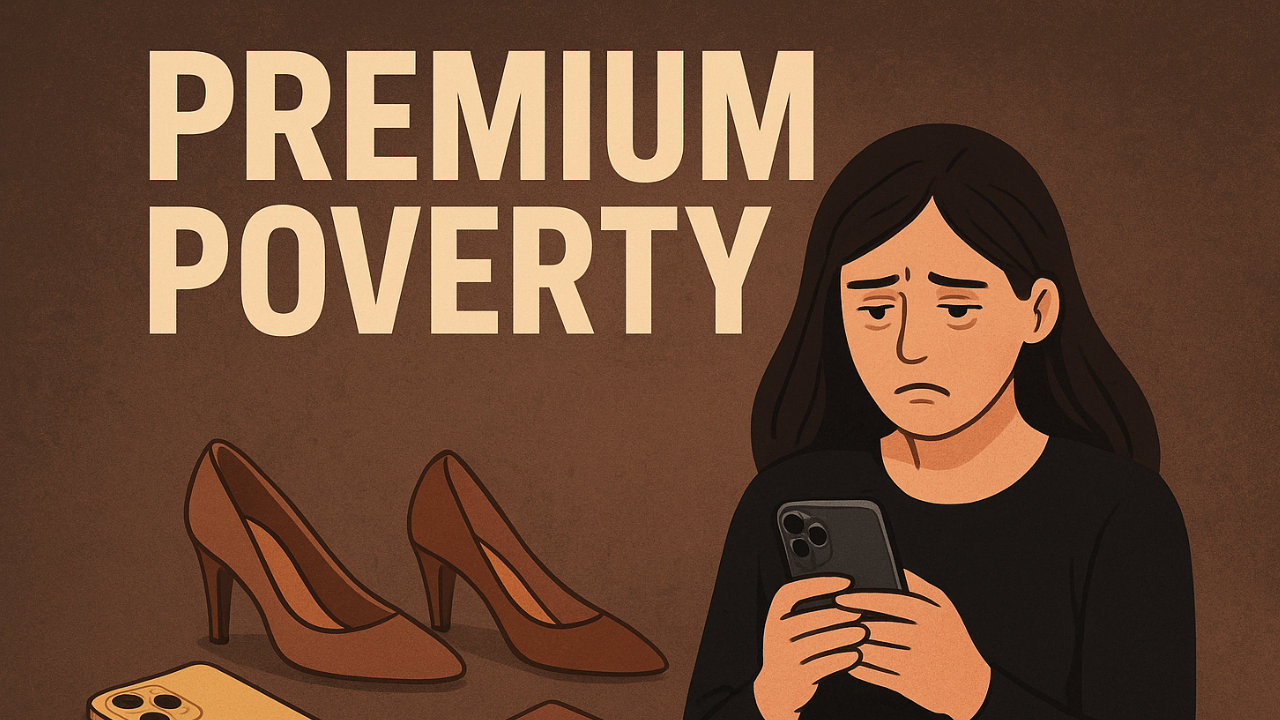
In an age where luxury is marketed as “normal,” where influencers flex lifestyles they don’t own, and where social media makes everyone compare their worst days to someone else’s filtered best moments, a new economic and psychological crisis has emerged: premium poverty.
Premium poverty is not traditional poverty. It is not the inability to buy food, pay rent, or access basic needs. It is a modern, self-inflicted, socially driven poverty—a financial struggle born from the pressure to look wealthy in a world obsessed with image.
This crisis is both economic and mental. It kills savings, destroys mental health, and traps millions in a cycle of debt, insecurity, and silent shame.
And the worst part? Most people stuck in premium poverty don’t even know it.
What Is Premium Poverty?
Premium poverty is a condition where individuals spend beyond their means to maintain the illusion of a higher social status. These people may have jobs, incomes, and stable lives on the surface—but they are secretly drowning financially because of one thing:
The obsession with looking successful rather than being successful.
Premium poverty is when someone:
- Has the newest iPhone but no savings
- Buys designer clothes but can’t pay rent on time
- Drives a luxury car but lives paycheck to paycheck
- Takes expensive vacations while hiding credit card debt
- Eats at trendy restaurants but has €0 in emergency funds
It is a life built on appearances rather than stability.
Why Premium Poverty Exists
Premium poverty didn’t appear randomly. It is the product of a society that values perception more than reality.
Here are the psychological, economic, and social factors that created it:
1. Social Media Pressure: The Theater of Fake Wealth
Before social media, people compared themselves with neighbors. Today, they compare themselves with influencers, celebrities, rappers, and millionaires.
Every day, millions scroll past:
- designer bags
- luxury cars
- 5-star hotels
- perfect outfits
- “rich lifestyle” vlogs
The message is clear:
If you’re not living like this, you’re failing.
This creates a subconscious belief:
“To be respected, I must spend like the rich.”
Even if your bank account disagrees.
2. The Identity Crisis: When Self-Worth Becomes Measured in Purchases
Brands know one truth:
People buy emotions, not products.
Premium poverty thrives on insecurity. When someone feels invisible, unimportant, or behind in life, expensive purchases become a psychological bandage.
The mind whispers:
- “If I buy this, I’ll feel successful.”
- “If I wear this, people will respect me.”
- “If I have this, I’ll belong.”
But the effect doesn’t last.
It fades—so the cycle repeats.
3. Instant Gratification Culture
People today want everything fast:
- fast food
- fast delivery
- fast fame
- fast money
- fast validation
This urgency leads to impulsive buying.
Why wait to save money when you can “Pay in 4” with Klarna?
Why avoid debt when the credit card is “free money”?
Why buy affordable things when premium gives a dopamine hit?
Premium poverty is a dopamine addiction disguised as lifestyle ambition.
Read also : The Mindset of Millionaires: How the Wealthy Think Differently
4. Marketing Manipulation
Companies intentionally make “premium” products feel affordable.
- Monthly payments
- Buy-now-pay-later
- 24-month contracts
- 0% financing
- “Luxury discount days”
People are tricked into thinking they’re getting a deal—when in reality, they’re renting a lifestyle they can’t afford.
5. Cultural Flexing and Social Status
In many communities, “looking rich” equals respect.
Flex culture is now universal:
- The logo matters more than the quality
- The car brand matters more than the reliability
- The watch matters more than the time it tells
This creates a dangerous mentality:
“If I don’t flex, I’m nobody.”
And so people choose image over financial safety.
The Psychological Effects of Premium Poverty
Premium poverty is not only a financial burden—it is a mental prison.
Here are the hidden psychological costs:
1. Chronic Anxiety
People in premium poverty constantly fear being exposed.
“Will they think I’m broke if I don’t buy this?”
“What if they see my real financial situation?”
“What if I can’t keep up the image?”
The pressure never stops.
2. Identity Fragility
Their sense of self is tied to:
- brands
- purchases
- appearances
Take away the expensive things, and they feel lost.
3. Silent Shame
Premium poverty is invisible.
You can’t see it from the outside.
People rarely admit it—even to themselves.
They drown quietly.
4. Social Comparison Disorder
Nothing kills happiness faster than comparison.
People in premium poverty live in a loop:
Scroll → Compare → Buy → Regret → Repeat
It’s psychological slavery.
5. Long-Term Emotional Damage
Premium poverty destroys:
- confidence
- discipline
- financial education
- self-control
- future planning
It replaces long-term stability with short-term ego boosts.
The Economic Impact: How Premium Poverty Destroys Your Future
Premium poverty doesn’t just affect the mind—it ruins financial life.
1. No Savings
Most people in premium poverty have:
- no emergency fund
- no investments
- no long-term financial strategy
One unexpected bill can collapse everything.
2. Endless Debt
Premium poverty is financed by:
- credit cards
- monthly plans
- loans
- overdraft
By the time they realize it, the interest becomes impossible to escape.
3. Zero Assets
A closet full of designer brands is not wealth.
A car that drops 20% in value every year is not wealth.
True wealth comes from:
- property
- businesses
- savings
- investments
Premium poverty keeps people poor by keeping them focused on consumerism instead of ownership.
4. Living Paycheck to Paycheck
The more expensive the lifestyle, the smaller the financial margin.
Premium poverty traps people in a cycle where:
- Every paycheck is already spent
- Every month feels like survival
- Every purchase increases the pressure
It’s modern slavery, but with nice packaging.
Read also : The Youngest Billionaires in History
Why Premium Poverty Is So Dangerous
Because it feels good.
Because it looks good.
Because society celebrates it.
Premium poverty has become normalized. People call it:
- “soft life”
- “treat yourself”
- “you deserve it”
- “life is short”
But behind these slogans lies a harsh truth:
People are trading their future stability for temporary validation.
Premium poverty is the new poison—and millions are drinking it willingly.
How to Escape Premium Poverty
Escaping premium poverty isn’t about earning more money.
It’s about changing psychology.
Here are the steps:
1. Break Your Addiction to Validation
Stop buying to impress people who don’t care about you.
Real success is quiet.
2. Build a Self-Image Not Based on Brands
If your confidence depends on logos, your identity is rented.
3. Learn Financial Discipline
- Budget
- Save
- Invest
- Track expenses
If you can’t control your money, your money will control you.
4. Delay Gratification
Replace:
“I need it now”
with
“I’ll buy it when I can afford it.”
5. Prioritize Assets Over Appearances
Spend money on things that grow in value, not things that lose it.
6. Be Honest With Yourself
Admit the truth:
“Am I buying this because I need it…
or because I’m trying to look like someone I’m not?”
Honesty is the first step to freedom.
Conclusion: A Generation Wearing Luxury and Carrying Invisible Debt
Premium poverty is a silent epidemic.
A generation is dressing like millionaires while living like financial prisoners.
They are rich online but poor in reality.
They feel powerful in photos but stressed in silence.
Premium poverty is not about money—it is about psychology.
It is about fear, insecurity, and identity.
The real flex is not designer bags.
The real flex is not iPhones or cars.
The real flex is freedom.
Freedom from debt.
Freedom from pressure.
Freedom from pretending.
And until people choose reality over appearance, premium poverty will continue to destroy futures—one purchase at a time.
Related article : Here are 9 habits to adopt to become a Millionaire