 By
By 
With the build-up toward the next FIFA World Cup (and especially given how major global sporting events create enormous attention, fan engagement, and commercial activity) you have a wide array of opportunities to make money if you position correctly. Below are 10 ideas — each one with explanation of how it works + tips for making it happen + caveats to keep in mind.
1. Create and sell themed merchandise
When a big tournament like the World Cup launches, fans want memorabilia: shirts, flags, caps, scarves, face-paint kits, fan accessories, national-team colors. One article lists “food and beverage carts… face paint… local food and snacks… merchandise” as ways to make money during the World Cup.
How to do it:
- Design merchandise tailored to participating teams, national colours, fan chants or slogans.
- Use print-on-demand services (so you don’t hold huge stock) or local manufacturing if you’re in a region with lower labour/costs.
- Set up an online shop (Etsy, Shopify, Instagram) or sell locally in fan zones, viewing parties, or near match-locations.
- Consider limited-edition drops (e.g., “Group stage shirt”, “Knock-out edition”) to drive urgency.
Tips: Make sure you’re not infringing copyright (team logos, national emblems might be regulated). Consider shipping logistics (if you serve internationally).
Caveats: If you go huge with stock and demand doesn’t materialise, you may be stuck with unsold inventory; also margins might be thin if you compete with big brands.
2. Offer viewing-party / fan-event services
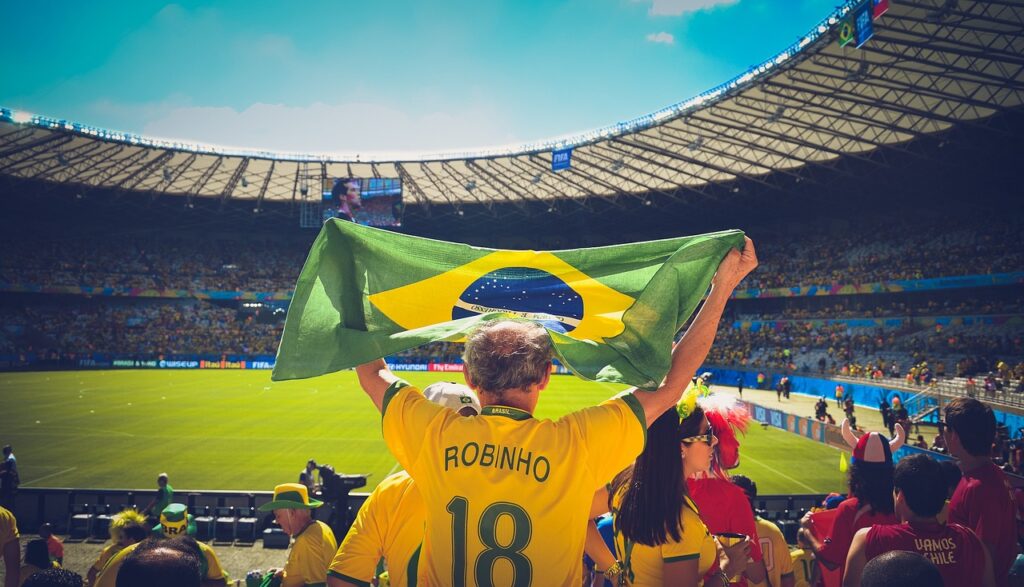
Major tournaments bring lots of fans who want communal experiences: group viewing, themed parties, match-day hospitality. You can capitalise by organising events, charging entry, offering food & drink packages, or providing premium experiences.
How to do it:
- Identify a venue (restaurant, bar, cafe, rooftop) and offer a “World Cup fan night” package (match telecast + themed food + face-paint station + photo booth etc).
- Create tiered tickets: standard, VIP (premium seats + free drink/snack).
- Partner with local sponsors (beer/soft drink brands, snack providers) for cross-promotion.
- Use social media to promote well in advance, emphasise big matchups (semi-finals, finals) for higher ticket prices.
Tips: Make sure you have the broadcasting rights or licence to show the match legally in your venue. Provide good viewing experience (big screen, sound system).
Caveats: Investment in venue, equipment, staffing may be required; if match time is odd (late night, early morning) fewer people may attend; competition may be high.
3. Provide travel/hospitality packages or local-tour guide services
If you are located close to or in a country that will host the tournament (or in a city with many fans visiting) you can offer travel or hospitality services: e.g., fan tours, accommodation packages, transport, local excursions tied to match days.
How to do it:
- Bundle accommodation + match viewing spot + transport + local cultural experience.
- If you’re a local guide, offer “fan-friendly” tours: stadium tour + fan zone + national museum + local food.
- Use local networks to find group travel deals and then mark-up slightly.
Tips: Create a unique angle (“experience the tournament like a local”, “behind the scenes of match-day atmosphere”).
Caveats: Requires significant logistics and up-front planning. If travel restrictions, visa issues or match schedule changes happen you may face cancellations or losses.
Excellent opportunity to make money online by buying the domain name WorldCupFoot.com and make a site about it
4. Create digital content & monetise it
Big sports events generate huge content-consumption: blogs, vlogs, podcasts, social-media posts. If you can build an audience you can monetise via ads, sponsorships, affiliate links. One media company reported making 90 %+ of its revenue from ads during a World Cup tournament. Digiday
How to do it:
- Launch a blog/video channel focusing on tournament coverage: previews, analysis, player interviews, fan-stories.
- Use social channels to drive traffic; leverage SEO on key tournament & team keywords.
- Monetise via ads (Google AdSense), affiliate links (team merchandise, ticketing, gear), sponsorships (local brands wanting exposure to fans).
Tips: Start well ahead of the tournament to build audience and credibility; niche down (e.g., focus on underdog teams, specific region fans).
Caveats: Online content is a crowded space; you need quality and consistency. Monetisation may take time; ad revenue can fluctuate.
5. Sell photography / fan-experience content
Fans love images and footage of the tournament atmosphere — supporters in national colours, face-paint, stadium moments, fan zones. You can monetise by capturing photos/videos and selling them as stock, prints, or to local media.
How to do it:
- Be present (or partner with someone local) in fan zones, public squares, stadiums (if allowed) with smartphone or camera gear.
- Upload selected images to stock-photo sites or create your own “fan-moment” prints or digital downloads.
- License to blogs, magazines, social-media pages that want authentic fan images.
Tips: Focus on unique, high-energy moments; fans from smaller nations often valued because less coverage from major agencies.
Caveats: Permissions may be required; quality and uniqueness matter; timing matters (you’ll want to post promptly while the tournament is hot).
6. Create a marketplace for secondary-tickets or travel extras
Big tournaments see a surge in demand for tickets, hospitality, accommodation, transport. If you build a platform or service that helps people resell, swap or find extras (for example local hostels, transport to match venues, guided transport) you can take a cut.
How to do it:
- Build a simple web/mobile platform where fans can list extra accommodation, tickets, transport seats.
- Charge listing fees or take a percentage of transactions.
- Validate listings (to avoid fraud) and ensure legal/ethical compliance.
Tips: Provide clear terms, offer buyer protection features, focus on high-demand match days when prices spike.
Caveats: Legal/regulatory risks (resale of tickets may be restricted or controlled by the organisers). Fraud risk is higher in secondary markets. Make sure you follow local rules and tournament rules.
7. Launch fan-tokens, NFTs or digital engagement campaigns
As sports organisations and fans embrace digital assets, there are opportunities to monetise digital engagement. For example, blockchain-based fan tokens for national teams surged ahead of previous World Cups. arXiv+1
How to do it:
- If you have a fan-community, create an exclusive token/NFT drop tied to tournament moments (e.g., “team hero card”, “matchday digital badge”).
- Offer perks (exclusive access, behind-the-scenes content, voting rights in fan polls) to make it valuable.
- Market these digital assets ahead of tournament hype and match milestones.
Tips: Make sure you educate your audience, be transparent about value, and provide actual benefits beyond “just owning a token”.
Caveats: Digital assets are speculative and regulatory environment may vary by country; building trust is crucial; if value collapses or audience is small, you may not see returns.
8. Offer language- or culture-specific guidance & translation for fans
In many nations, foreign fans travel in, or there are diaspora communities living abroad who want to follow their national team. Offering services such as translation guides, cultural orientation, local language commentary, “fan-meet” groups can be monetised.
How to do it:
- Create a subscription or paid access to a “fan-guide” portal: match schedule in your language, live commentary, interviews with local fans, translation of local signage.
- Organise meetup groups or local guided tours for fans of a specific country living abroad (or visiting).
Tips: Focus on under-serviced languages/communities (e.g., offer Arabic-Morocco commentary for Moroccans abroad). Partner with fan-clubs or embassies.
Caveats: Must ensure you’re genuine, provide real value; expense and logistics may be higher than for simple digital offers.
Related article : How to Make Money From Your Love of Basketball
9. Affiliate marketing & sponsorship around gear / fan-experience
Big sports events drive demand for gear (jerseys, boots, streaming subscriptions), fan-experience services (bars, pubs, sports-travel). If you leverage affiliate marketing you can get commissions without product stock.
How to do it:
- Build content (blog, social posts) around “what to buy for the World Cup” – e.g., best streaming service in Morocco, top national-team jersey deals, must-have fan accessories.
- Use affiliate links to merchandise stores, travel companies, sports streaming services.
- Negotiate sponsorships with local businesses (bars, restaurants) that want exposure to fans and could pay you to refer traffic.
Tips: Create high-traffic lists (e.g., “Top 10 fan jerseys for 2026”, “Best streaming bundle for African viewers”). Emphasise deals and urgency.
Caveats: Your credibility matters — you don’t want to push poor-quality products. Affiliate commissions may be modest; require traffic and trust to scale.
The FIFA World Cup 2026 is coming — and the whole world will be watching! Millions of fans across the globe will be searching online every day for match schedules, team news, live scores, highlights, predictions, and merchandise. Now imagine owning the domain name that could capture all that traffic.
With the right site, you could attract millions of visitors, build a community of passionate fans, and earn serious revenue from ads, sponsorships, affiliate links, and merch sales. This is a once-in-a-lifetime opportunity — the next World Cup won’t be in North America again for decades!
What you can do with this domain: Launch a fan site or news blog covering the 2026 World Cup. Create a live score or match prediction platform. Partner with brands for sponsorships and promotions. Monetize through ads and affiliate marketing. Don’t wait until the kickoff — by then, it’ll be too late. Secure this high-traffic domain name today and score big with the World Cup 2026 boom!
Get this rare domain name before the price increase : WorldCupFoot.com
10. Offer analytics, prediction games, or tournament-data services
For the business or fan-community side, you can monetize by providing tournament-data, analytics, fantasy leagues, prediction markets, and insights. Major tournaments emphasize data; also broadcasters/licensing rights underpin huge revenue.
How to do it:
- Launch a subscription site/app offering daily match-insights, “underdog picks”, statistical analyses for fans and bettors (where legal).
- Create a fantasy-tournament game (with entry fee) or “predict-the-outcome” competition and offer prizes (sponsored) while you take entry fees.
- Offer B2B services: sell data-feeds or localised fan-insights to bars/pubs/brands who want to engage customers during matches.
Tips: Provide unique insights (regional focus, fan sentiment, local player profiles). Partner with local sports bars for live-analytics screens.
Caveats: Be very careful with betting regulations — offering paid predictions may be regulated in your country (such as Morocco). Make sure you are compliant. Data-accuracy and reliability are key for credibility.
Final thoughts
The upcoming World Cup (or similar big global sports tournaments) provides huge opportunities. Whether you are in Morocco, Africa, or anywhere globally, localising your offer (language, cultural context, national teams, fan communities) gives you an edge.
However:
- Timing matters — start early (pre-tournament hype) so you build audience and stock.
- Legal/compliance matters — licensing rights, ticket resale regulations, gambling laws, copyright.
- Value matters — fans will pay if you offer something distinct, high-quality, convenient.
- Risk exists — inventory risk, digital-asset risk, event-schedule shifts, demand lower than expected.
Related articles :
- 2026 FIFA World Cup Groups: Complete Draw Breakdown and Must-Watch Clashes
- Cristiano Ronaldo:Why is his Youtube channel so fascination ?
- The Premium Domain Set to Explode in Value Ahead of the 2026 FIFA World Cup