 By
By 
In the vast landscape of search engines, Google often dominates the conversation, but neglecting Bing can be a significant oversight for businesses and content creators alike. While Google commands the lion’s share of the market, Bing, powered by Microsoft, maintains a considerable user base, particularly among desktop users and those within the Microsoft ecosystem. Optimizing your website for Bing isn’t just about gaining a sliver of extra traffic; it’s about diversifying your organic reach, tapping into a distinct audience, and leveraging unique ranking factors that can set you apart.
This comprehensive guide will delve into the intricacies of Bing SEO, outlining actionable strategies to improve your site’s visibility and drive valuable traffic from Microsoft’s search engine.
Understanding Bing’s Unique Approach to SEO
Before we dive into specific tactics, it’s crucial to grasp how Bing’s algorithm differs from Google’s. While many SEO principles are universal, Bing has its own nuances that, when understood and applied, can give you a competitive edge.
Key Differences:
- Exact Match Keywords: Unlike Google’s increasingly sophisticated semantic understanding, Bing still places a significant emphasis on exact-match keywords in title tags, meta descriptions, H1s, and even URLs. This doesn’t mean keyword stuffing, but it does mean being precise with your target phrases.
- Social Signals: Bing explicitly acknowledges and values social media engagement as a ranking factor. Strong social signals (likes, shares, comments) on platforms like Facebook, Twitter, and LinkedIn can positively influence your Bing rankings, indicating popularity and relevance.
- Backlinks and Domain Age: While both search engines value backlinks, Bing tends to place more weight on the age and authority of linking domains, particularly favoring links from older, established websites and those with .edu or .gov extensions. Quantity is less critical than the quality and established nature of the referring domain.
- Multimedia Content: Bing has a stronger emphasis on visual search and multimedia content. Optimizing images and videos with descriptive alt text, captions, and surrounding context can significantly improve your chances of appearing in Bing Image and Video Search.
- Meta Keywords: Although largely disregarded by Google, Bing still considers the meta keywords tag. While not a primary ranking factor, including a few relevant keywords in this field can provide an additional signal to Bing.
- Desktop-First Indexing: While Google has shifted to mobile-first indexing, Bing largely remains desktop-first. Ensuring your desktop experience is clean, crawlable, and performs well is paramount for Bing.
- User Experience (UX): Like Google, Bing prioritizes a positive user experience. Fast page loading speeds, mobile-friendliness, intuitive navigation, and low bounce rates are crucial.
Essential Steps to Improve Your Site on Bing
Now, let’s break down the actionable steps to optimize your website for Bing.
1. Harness the Power of Bing Webmaster Tools (BWT)
This is your central hub for Bing SEO. If you’re serious about ranking on Bing, having an active and well-utilized BWT account is non-negotiable.
- Verify Your Site: The first step is to verify ownership of your website. BWT offers several verification methods, including adding a meta tag to your site’s HTML, uploading an XML file, or adding a CNAME record to your DNS settings. You can even import your Google Search Console data for a quicker setup.
- Submit Your Sitemap: An XML sitemap provides Bingbot with a clear roadmap of your website’s structure and pages, ensuring efficient crawling and indexing. Submit your sitemap through BWT and resubmit it whenever you make significant changes to your site.
- Utilize the URL Submission Tool: Bingbot doesn’t crawl as aggressively as Googlebot. For new pages or significant updates, use the URL submission tool in BWT to prompt faster indexing. You can submit individual URLs or batches of URLs.
- Monitor Search Performance: BWT offers detailed reports on your site’s performance, including impressions, clicks, average position, and keywords driving traffic. Analyze this data to identify opportunities for improvement.
- Check for Crawl Errors: The “Crawl Errors” report in BWT will highlight any issues Bingbot encounters while trying to access your pages, such as broken links, server errors, or blocked content. Address these promptly to ensure full indexation.
- Leverage the SEO Analyzer: This built-in tool can scan your pages and provide recommendations for improving your on-page SEO, identifying potential issues with titles, descriptions, and keyword usage.
- Review SEO Recommendations: BWT provides automated SEO recommendations based on its analysis of your website, offering actionable insights to enhance your rankings.
2. Master On-Page SEO for Bing
On-page optimization remains a cornerstone of SEO, and Bing has specific preferences.
- Keywords are Key (and Exact Match):
- Title Tags: Include your primary target keyword early in your title tags. Keep them concise and descriptive (under 60 characters to avoid truncation).
- Meta Descriptions: While not a direct ranking factor for Google, Bing still considers meta descriptions. Craft compelling descriptions that include your main keywords and encourage clicks.
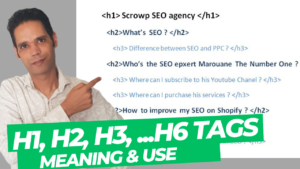
- H1 and H2 Headings: Use your primary and secondary keywords naturally within your H1 and H2 headings. This helps Bing understand the content hierarchy and relevance.
- Content Body: Integrate your keywords naturally throughout your content. While avoiding keyword stuffing, ensure your target phrases appear in the first 100 words and are distributed logically.
- URLs: Where possible, include keywords in your URLs.
- Content Quality and Depth: Bing, like Google, rewards high-quality, relevant, and comprehensive content.
- Thoroughness: Aim for in-depth articles that fully address the user’s search query. Longer, well-researched content often performs better.
- Readability: Structure your content with clear headings, subheadings, bullet points, and short paragraphs to enhance readability.
- Freshness: Regularly update your content, especially for topics that are time-sensitive or frequently change. Bing values content freshness.
- Authoritative Sources: Cite credible and authoritative sources where appropriate.
- Avoid Duplicate Content: Ensure your content is unique and not replicated elsewhere on your site or across the web.
- Multimedia Optimization:
- Images: Optimize images with descriptive file names and accurate alt text that includes relevant keywords. Compress images for faster loading.
- Videos: If you embed videos, ensure they have clear titles, descriptions, and transcripts. Bing can crawl and understand video content.
- Meta Keywords (Yes, Still!): While not as critical as other factors, Bing still considers the meta keywords tag. Use 2-4 highly relevant keywords here.
3. Prioritize Technical SEO
A technically sound website is fundamental for any search engine.
- Page Speed: Bing emphasizes fast-loading websites. Optimize your site’s loading speed by compressing images, minifying CSS and JavaScript, leveraging browser caching, and using a Content Delivery Network (CDN).
- Mobile-Friendliness: Although Bing is desktop-first, a mobile-friendly website is still essential for user experience. Ensure your site is responsive and renders well across all devices.
- Site Architecture and Navigation: Create a logical and intuitive site structure that makes it easy for both users and Bingbot to navigate. Use internal links strategically to connect related content and distribute link equity.
- HTTPS: Secure your website with an SSL certificate (HTTPS). Bing, like other search engines, prefers secure sites.
- Robots.txt and Noindex Tags: Use your robots.txt file to guide Bingbot, instructing it which parts of your site to crawl and which to ignore. Use noindex meta tags for pages you don’t want indexed.
- Schema Markup: Implement schema markup (structured data) to help Bing understand the context of your content and potentially display rich snippets in search results. This can include schemas for articles, products, reviews, local businesses, and more.
4. Build High-Quality Backlinks
Backlinks remain a powerful signal of authority and trustworthiness for Bing.
- Quality over Quantity: Focus on acquiring backlinks from reputable, authoritative, and relevant websites in your industry. Bing values the quality and established nature of referring domains more than sheer volume.
- Diverse Link Profile: Aim for a natural and diverse backlink profile, including links from various types of sources like industry blogs, news sites, educational institutions (.edu), and government organizations (.gov).
- Guest Posting: Contribute high-quality guest posts to relevant, authoritative websites in your niche, including a contextual link back to your site.
- Broken Link Building: Identify broken links on other websites and suggest your relevant content as a replacement.
- Brand Mentions: Monitor for brand mentions across the web and, where appropriate, reach out to turn unlinked mentions into valuable backlinks.
- Leverage Old Domains: Bing places a higher emphasis on domain age, so links from older, established domains can be particularly beneficial.
5. Leverage Social Media Signals
Bing’s explicit acknowledgment of social signals presents a unique opportunity.
- Active Social Presence: Maintain an active and engaging presence on relevant social media platforms.
- Content Promotion: Regularly share your website’s content on social media to encourage likes, shares, and comments. The more your content is shared and engaged with, the stronger the signal to Bing.
- Encourage Sharing: Make it easy for users to share your content by including prominent social sharing buttons on your pages.
- Build a Community: Foster a loyal community around your brand on social media, as this engagement translates into valuable social signals.
6. Optimize for Local Search
For businesses with a physical presence, local SEO on Bing is crucial.
- Claim Your Bing Places for Business Profile: This is the equivalent of Google My Business for Bing. Claim and optimize your Bing Places listing with accurate and comprehensive information, including your business name, address, phone number (NAP), hours, photos, and services.
- Consistent NAP Data: Ensure your Name, Address, and Phone Number (NAP) are consistent across all online directories, review sites, and your website. Inconsistencies can confuse search engines.
- Local Keywords: Integrate local keywords into your website content, especially on your service pages and “About Us” section.
- Generate Local Reviews: Encourage customers to leave reviews on your Bing Places profile and other relevant local directories. Positive reviews can boost your local rankings.
7. Continual Monitoring and Adaptation
SEO is an ongoing process, and Bing’s algorithm, while perhaps less volatile than Google’s, still evolves.
- Regularly Check BWT: Make it a habit to log into Bing Webmaster Tools regularly to monitor performance, check for errors, and review recommendations.
- Analyze User Behavior: Pay attention to user engagement metrics within BWT, such as click-through rate (CTR) and time on page. If users are bouncing quickly or not clicking through, it could indicate issues with your content or user experience.
- Stay Informed: Keep abreast of Bing’s official announcements and best practices through the Bing Webmaster Blog and other reputable SEO resources.
- A/B Testing: Experiment with different title tags, meta descriptions, and content formats to see what resonates best with Bing’s users and algorithm.
Further read : The Shifting Sands of Search: Navigating Google’s New AI Overview for SEO
Conclusion: Don’t Underestimate the Power of Bing
While Google remains the dominant force in search, overlooking Bing means leaving potential traffic and a valuable audience on the table. By understanding Bing’s unique ranking factors and implementing the strategies outlined above, you can significantly improve your site’s visibility on Microsoft’s search engine. From meticulous on-page optimization and robust technical SEO to leveraging social signals and maintaining an active Bing Webmaster Tools account, a dedicated approach to Bing SEO can yield surprising and rewarding results, diversifying your organic traffic and strengthening your overall digital presence. Invest the time and effort, and watch your site climb the Bing SERPs
Would You like our assistance to boost your site SEO ? Contact us then