
 By
By 
In 2025, organic search traffic remains the lifeblood of ecommerce growth. With over 53% of all website visits coming from organic search and SEO generating exponentially more traffic than social media, mastering the art of organic traffic is crucial for any ecommerce business aiming for sustainable success. This article covers 13 actionable, data-driven strategies that will help you attract millions of qualified visitors to your online store without incurring the continuous costs of paid advertising.
Why Organic Traffic Matters for Ecommerce
Organic traffic refers to visitors who find your website through unpaid search engine results. Unlike paid ads, organic traffic is free and often converts better because it matches the intent of users actively searching for products or solutions you offer. It builds trust, increases brand authority, and drives sustainable growth. Moreover, 68% of all online experiences start with a search engine, making organic search your prime channel for discovery.
1. Know Your Audience and Their Search Intent
Understanding your audience’s needs, pain points, and search behavior is foundational. Use analytics and customer data to build detailed buyer personas. Map out the questions they ask at various stages—from awareness to consideration to purchase—so your content can target the right intent. Search intent typically falls into four categories:
- Informational: seeking answers or education
- Navigational: looking for a specific brand or site
- Transactional: ready to buy
- Commercial Investigation: researching options before buying
Tailoring your content to match intent increases your chances to rank and convert visitors into customers.
2. Data-Driven Keyword Research
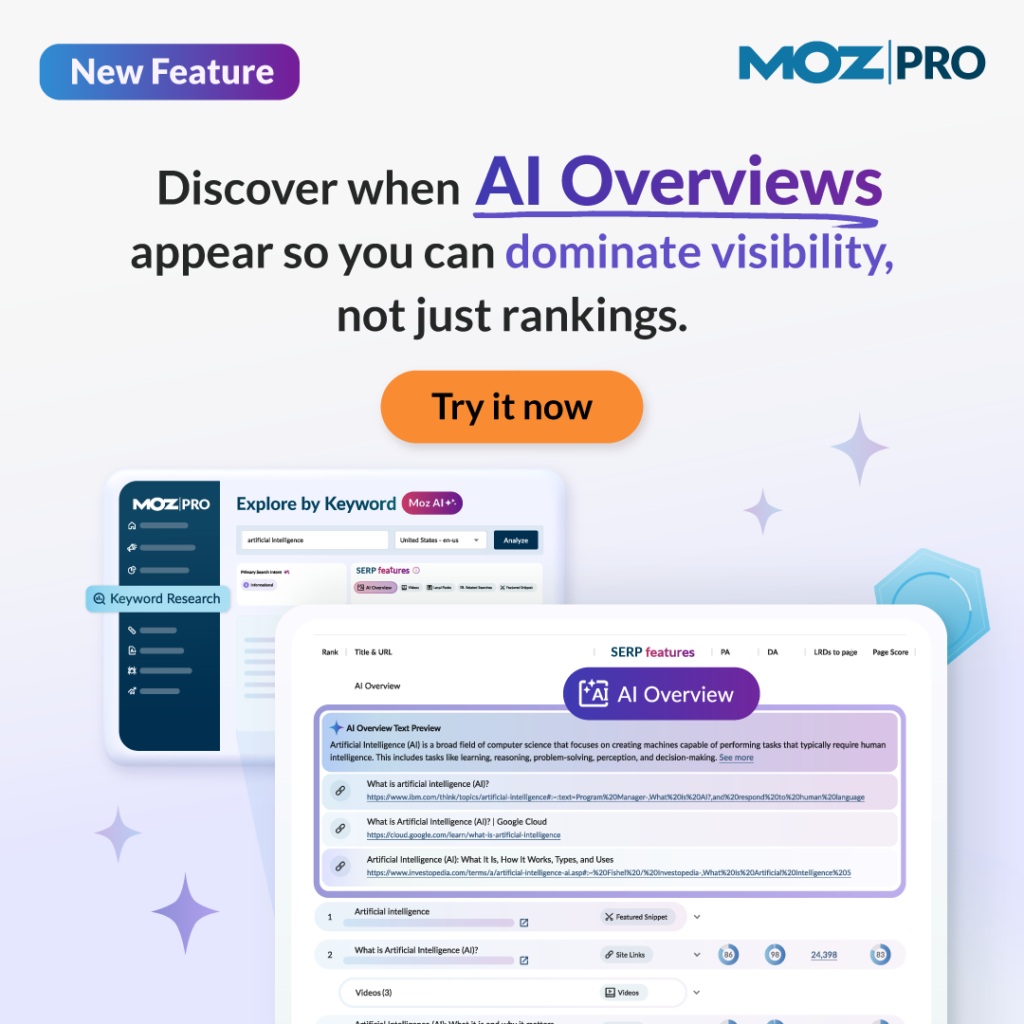
Effective SEO starts with discovering the right keywords. In 2025, 69% of search traffic comes from long-tail keywords—specific, multi-word phrases with lower competition and highly targeted intent.
- Use advanced SEO tools like SEMrush, Ahrefs, or Moz to find keywords with good search volume and manageable difficulty.
- Analyze competitor keywords to identify gaps and opportunities.
- Build diversified keyword clusters, grouping related terms to cover broader topics comprehensively.
This approach ensures you target high-intent keywords that attract ready-to-buy customers.
3. Optimize for Search Intent and AI Overviews
With AI-powered search features (AIO/SGE) appearing in nearly 8% of all queries, Google’s algorithm increasingly prioritizes content structured for AI extraction.
- Provide clear, concise answers to common queries your audience searches for.
- Use structured data (schema markup) to help search engines understand and highlight your content.
- Format content with subheadings, bulleted lists, and tables to enhance readability and enable featured snippet eligibility.
Optimizing for AI overviews boosts your chances of appearing in zero-click searches and featured snippets, increasing visibility dramatically.
4. Create Comprehensive, Value-Driven Content
Long-form, depth-rich content outperforms shorter pieces. Top-ranking ecommerce pages often exceed 3,000 words, including detailed product guides, comparison articles, how-tos, and customer stories.
Quality content:
- Answers users’ questions fully
- Solves problems
- Provides unique insights or data
Content marketing leaders experience 6x higher conversion rates than competitors who neglect depth.
5. Refresh and Update Existing Content
Content refreshment signals freshness to search engines, crucial in a fast-evolving ecommerce landscape. Regularly audit your high-traffic pages, updating them with current data, enhanced visuals, and improved user experience.
An updated blog post or product guide can regain lost rankings and continue driving steady organic traffic for years.
6. On-Page SEO Essentials
Optimizing individual pages is a must:
- Include primary keywords naturally in titles, headings, and within the first 100 words.
- Write compelling meta titles and descriptions with targeted keywords to improve click-through.
- Use short, descriptive URLs with keywords.
- Optimize images with relevant filenames and descriptive alt texts.
- Structure content clearly with H1-H6 tags to aid readability and SEO.
These elements help search engines understand your content and improve page rankings.
7. Mobile Optimization and Site Speed
With 61% of organic traffic coming from mobile, Google’s mobile-first indexing demands responsive, fast-loading sites.
- Use Google PageSpeed Insights to fix slow-loading elements.
- Optimize images for quicker load times.
- Reduce unnecessary third-party scripts.
- Ensure a seamless mobile user experience.
Mobile optimization directly impacts bounce rates and rankings.
8. Internal Linking for Authority and Engagement
Internal links guide visitors deeper into your site, reducing bounce and increasing session duration—positive user engagement signals for SEO.
- Link blog posts to relevant product pages and vice versa.
- Use descriptive anchor texts with keywords.
- Strategically connect related guides, FAQs, and shopping categories.
This distributes link equity across your site, enhancing page authority and search rankings.
9. Target Featured Snippets and “People Also Ask”
Featured snippets command a 42.9% click-through rate, and “People Also Ask” boxes appear in nearly all queries.
- Structure content to answer common questions succinctly.
- Use lists, tables, or numbered steps to improve snippet eligibility.
- Add FAQ sections with targeted questions at the end of key pages.
Capturing these placements elevates your brand’s presence and drives incremental organic traffic.
10. Build High-Quality Backlinks
Backlinks from reputable, authoritative websites remain a top 3 ranking factor.
- Guest post on industry blogs.
- Use digital PR to earn mentions in news media.
- Create shareable assets like infographics and in-depth resources.
- Fix broken links on other sites by offering your content as a replacement.
Natural, earned backlinks boost your domain authority and organic rankings.
11. Use AI and Automation for SEO Efficiency
AI tools streamline many SEO tasks:
- Automate keyword research and content optimization.
- Run technical audits to identify crawl issues.
- Generate SEO-friendly meta tags and content suggestions.
Leveraging AI helps scale your SEO efforts and stay agile amid search engine updates.
12. Optimize for Voice and Visual Search
Voice and visual search are accelerating in ecommerce.
- Optimize for conversational queries and natural language.
- Add schema markup to product information.
- Ensure all product images are high-quality and keyword optimized.
This expands your reach to emerging search behaviors and future-proofs your SEO strategy.
13. Monitor, Measure, and Adapt Constantly
Ongoing analysis drives improvement:
- Use Google Analytics and Search Console to track organic traffic and keyword performance.
- Monitor bounce rates, session durations, and conversion rates.
- Adjust strategies based on insights and evolving search trends.
Being data-driven ensures you capitalize on growth opportunities and stay ahead of competitors.
Conclusion: Your Roadmap to Organic Ecommerce Success in 2025
Organic search is the most cost-effective, sustainable path to grow your ecommerce business. By implementing these 13 proven strategies—understanding search intent, conducting deep keyword research, optimizing every layer of your site, creating compelling content, and leveraging emerging technologies like AI—you can attract millions of high-intent visitors.
Remember, organic traffic growth is an ongoing journey requiring dedication, strategic planning, and consistent optimization. Brands that prioritize these tactics will thrive in the competitive 2025 digital marketplace, positioning themselves as trusted authorities that attract and convert shoppers organically.
By focusing on these pillars of SEO and combining technical expertise with user-centric content, you can create a powerful, self-sustaining engine for ecommerce growth in the years ahead.
Related article : Here are 9 habits to adopt to become a Millionaire
Need to talk to an eCommerce expert ? Contact us now